

Introduction: Five Decades of Disrupting the World
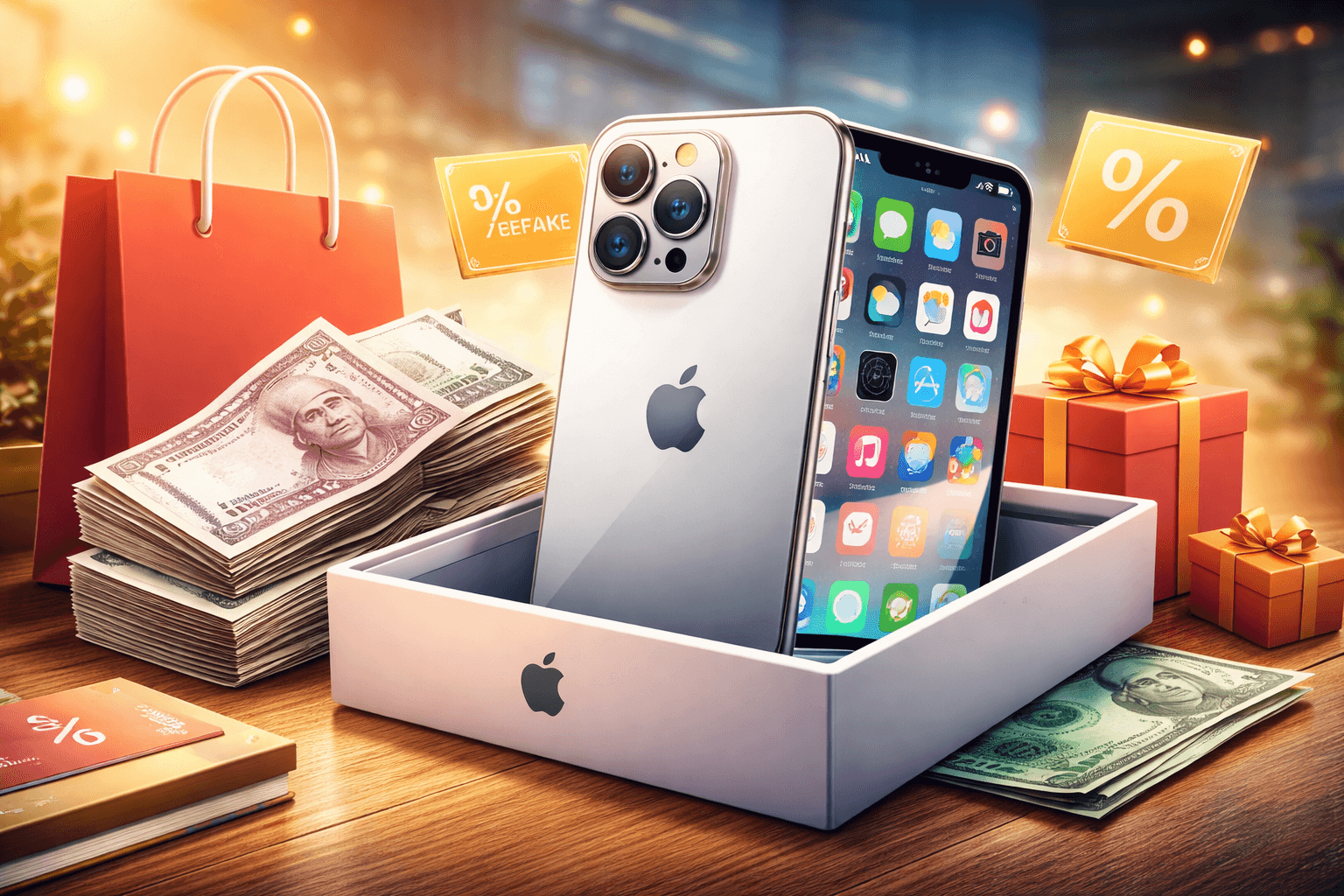
Fifty years ago, in a humble garage in Los Altos, California, two Steves—Jobs and Wozniak—set out to democratize computing. What began as a audacious venture to build user-friendly personal computers evolved into Apple Inc., a company that would not only transform industries but redefine how humans interact with technology. From its inception on April 1, 1976, Apple has consistently pushed boundaries, experiencing both stratospheric highs and sobering lows. This retrospective delves into Apple's remarkable journey, dissecting the genius behind its groundbreaking successes and learning from its notable missteps.
The Genesis: Birth of a Computing Revolution (1976-1985)
The early years of Apple were characterized by raw innovation and a rebellious spirit. The initial products, the Apple I and Apple II, were instrumental in popularizing personal computing. The Apple II, in particular, became a commercial sensation, largely due to its open architecture and the runaway success of applications like VisiCalc, the first spreadsheet program. This era cemented Apple's reputation as a company for the people, creating machines that were accessible and powerful.
The Macintosh Moment
The launch of the Macintosh in 1984, heralded by its iconic Super Bowl commercial, was a watershed moment. Featuring a graphical user interface (GUI) and a mouse, the Mac revolutionized how people interacted with computers, making them intuitive and engaging. While initially slow to gain market share due to its higher price (around USD 2,500 at launch) and limited software, the Mac laid the foundation for modern computing, proving that “desktop publishing” could be a reality for everyone.
The Wilderness Years: Struggle and Rebirth (1985-1997)
Following a power struggle, Steve Jobs left Apple in 1985, embarking on new ventures like NeXT and Pixar. What followed for Apple was a period often referred to as its “wilderness years.” Despite attempts at innovation, such as the ambitious but ultimately flawed Apple Lisa (a commercial failure due to its exorbitant price of USD 9,995) and the pioneering but clunky Newton MessagePad, Apple struggled to maintain its innovative edge and market relevance. Various CEOs, including John Sculley and Gil Amelio, grappled with declining market share, fragmented product lines, and a looming financial crisis. The company was on the brink of bankruptcy, a stark reminder that even a pioneer can lose its way.
The Phoenix Rises: Jobs' Return and the iEra (1997-2007)
Steve Jobs’s return in 1997, after Apple acquired NeXT, marked the beginning of an extraordinary turnaround. Jobs swiftly streamlined the product line, cut unprofitable ventures, and instilled a renewed focus on design and user experience. The vibrant, translucent iMac in 1998 signaled Apple’s return to form, captivating consumers with its unique aesthetic and ease of use.
iPod and iTunes: Dominating Digital Music
The early 2000s saw Apple conquer the digital music landscape. The iPod, launched in 2001, combined elegant design with a simple interface, allowing users to carry “1,000 songs in your pocket.” Crucially, it was paired with iTunes, a comprehensive digital music store and management software. This symbiotic relationship not only rescued the ailing music industry from rampant piracy but also established Apple as a dominant force beyond just computers, demonstrating a masterful understanding of hardware, software, and services integration. This move was pivotal, setting the stage for Apple’s future ecosystem.
The iPhone Revolution and Ecosystem Expansion (2007-Present)
The unveiling of the iPhone in 2007 was arguably Apple’s most impactful innovation. It wasn't just a phone; it was a multi-touch computer, an iPod, and an internet communicator all rolled into one, housed in a sleek, minimalist design. The subsequent launch of the App Store in 2008 transformed the mobile industry, creating an entirely new economy around applications and fundamentally changing how we live, work, and play.
Broadening Horizons: iPad, Apple Watch, and Services
Under Tim Cook’s leadership, following Jobs’s passing in 2011, Apple continued its expansion. The iPad carved out the tablet market, the Apple Watch became a leader in wearables, and AirPods redefined wireless audio. Crucially, Apple significantly ramped up its services division, including Apple Music, Apple TV+, Apple Arcade, and iCloud. These services have become a significant revenue driver, cementing the “Apple ecosystem” as a powerful draw, keeping users within its tightly integrated hardware and software environment.
Apple's Enduring Successes: A Masterclass in Strategy
Apple's half-century journey is paved with numerous strategic victories:
- Design Excellence: An unwavering commitment to elegant, intuitive design that transcends mere aesthetics, enhancing usability and creating iconic products. The principle that our gadgets should speak human has always been central to Apple's philosophy.
- Ecosystem Lock-in: The seamless integration of hardware, software, and services creates a compelling user experience that fosters loyalty and makes switching to competitors difficult.
- Branding and Marketing: Apple’s marketing campaigns have consistently been among the most effective, building a powerful brand identity synonymous with innovation, quality, and exclusivity.
- Retail Strategy: Apple Stores transformed retail, offering a unique customer experience focused on product exploration, support, and community.
- Vertical Integration: From designing its own powerful M-series chips to controlling every aspect of its software, Apple’s vertical integration provides unparalleled control over performance and user experience.
- Focus on Privacy: In an age of data concerns, Apple has successfully positioned itself as a champion of user privacy, differentiating it from many tech rivals.
Navigating the Missteps: Failures and Future Challenges
Despite its triumphs, Apple's journey has not been without its stumbles:
- Early Commercial Failures: The Apple Lisa (1983) and the original Macintosh (initially) struggled due to high prices and limited software, showcasing the challenges of being too far ahead of the market.
- The Newton MessagePad (1993): A visionary PDA concept hampered by immature handwriting recognition and a clunky interface, making it a commercial disappointment.
- Pippin (1996): Apple’s ill-fated venture into gaming consoles, a poorly conceived and executed product that quickly faded.
- Ping (2010): A social network for music lovers integrated into iTunes that failed to gain traction and was shut down after just two years.
- Initial HomePod (2018): While a great speaker, its high price (USD 349) and limited smart assistant capabilities struggled against cheaper, more feature-rich competitors from Amazon and Google.
- Dependence on China: Apple's vast manufacturing and assembly operations in China present geopolitical and supply chain vulnerabilities, prompting diversification efforts.
- Anti-Competitive Concerns: The App Store’s strict policies and commission structure have led to lawsuits and regulatory scrutiny worldwide, raising questions about market dominance.
- Pace of AI Integration: While Apple has integrated AI subtly, it has been perceived as lagging behind competitors in prominent generative AI capabilities, although this appears to be changing. Considering how AI stocks are performing, this is a crucial area for future growth.
The Next Chapter: Apple's Future at 50+
As Apple embarks on its next half-century, the company faces new frontiers and evolving challenges. Artificial intelligence is poised to redefine its product ecosystem, with increased focus on on-device AI and more seamless integration across its platforms. The launch of the Apple Vision Pro marks its ambitious foray into spatial computing, potentially opening up a new category of personal technology.
Services will undoubtedly continue to expand, leveraging Apple’s massive installed base and strong customer loyalty. Sustainability efforts, privacy enhancements, and continued innovation in custom silicon will also remain central to its strategy. Apple’s journey from a garage startup to a trillion-dollar company is a testament to its relentless pursuit of perfection and its ability to adapt and redefine what’s possible in the tech world.
Conclusion: A Legacy Forged in Innovation
Apple at 50 stands as a colossus of the technology world, its influence permeating nearly every aspect of modern life. It has shown that audacious vision, coupled with an unwavering focus on user experience and design, can overcome even the most daunting challenges. From the early Apple II to the ubiquitous iPhone and the nascent Vision Pro, Apple’s story is one of continuous evolution, marked by groundbreaking successes that reshaped industries and occasional failures that offered invaluable lessons. Its legacy is not just about the products it creates, but the standard of innovation it sets, continually pushing the boundaries of what technology can achieve.
Suggested Articles
 General
Experts: WDO Reshapes Global Data Trust Through Technology
Discover how the World Data Organization (WDO) leverages advanced technologies like AI and blockchain to build and ma...
Read Article arrow_forward General
TCS & Amadeus Partner for AI-Driven Airline Retail Solutions
Tata Consultancy Services (TCS) and Amadeus have joined forces to develop advanced AI-driven solutions, transforming ...
Read Article arrow_forward General
Antonio Gracias on 'Proentropic' Startups: Thriving in Chaos
Venture capitalist Antonio Gracias champions 'proentropic' startups, built to not just survive but flourish amidst ma...
Read Article arrow_forward General
Rs 40 Cr for Retirement in India? Founder's Claim Sparks Debate
A startup founder's statement that INR 40 Crore is needed to retire in India has ignited a massive debate online, hig...
Read Article arrow_forward