

The Unseen Battlefield: Datacenters in Modern Conflict
In an increasingly digitized world, the nature of warfare is evolving at an unprecedented pace. Gone are the days when battlefields were solely defined by physical skirmishes and conventional weaponry. Today, conflicts extend into the digital realm, transforming critical infrastructure into strategic targets. Among these, datacenters have emerged as a new and highly significant frontline in modern warfare, becoming prime objectives for both state and non-state actors.
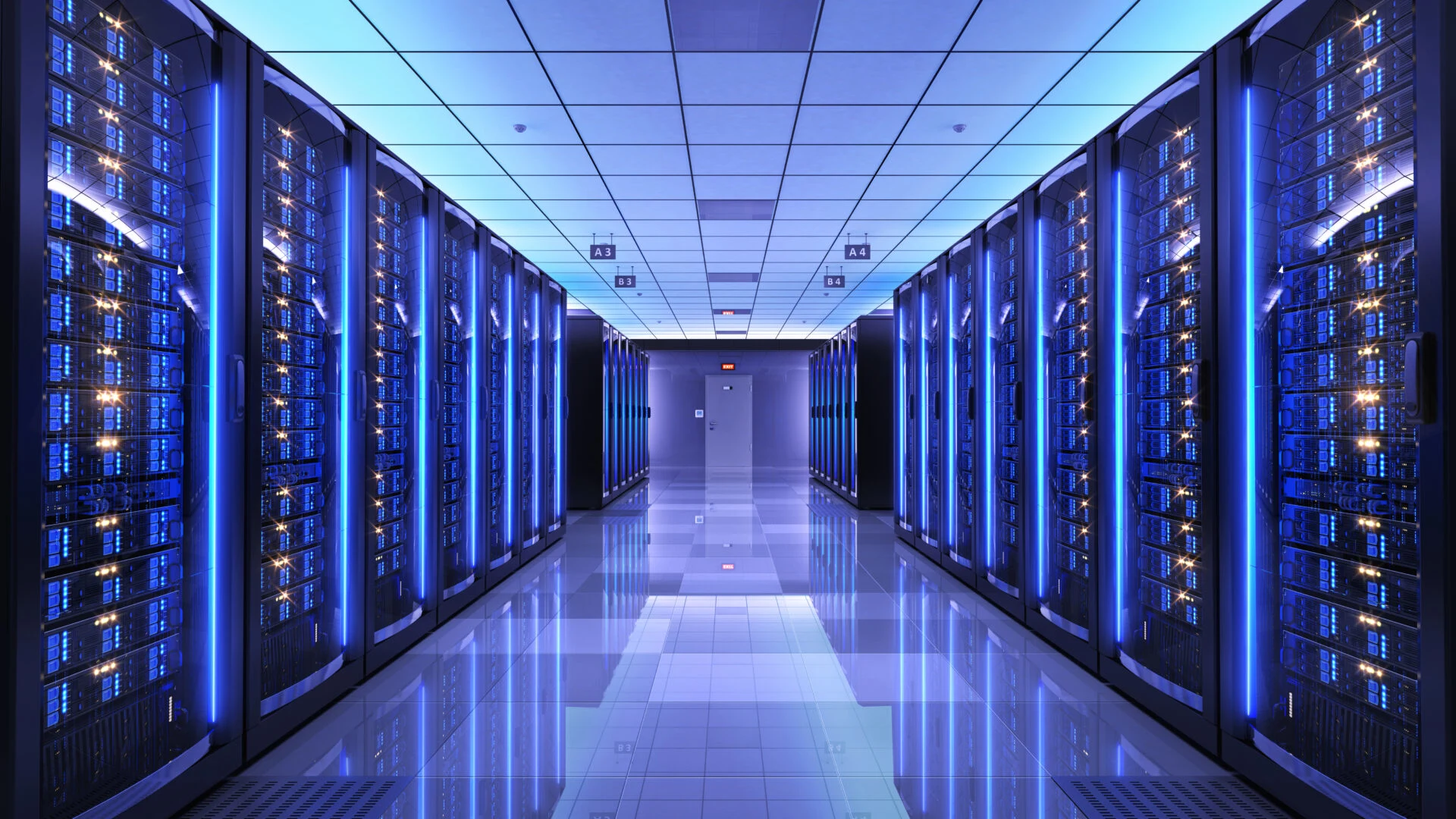
These silent behemoths, housing the vast majority of our global data, power everything from financial markets and communication networks to government services and military operations. Their disruption or destruction can have catastrophic ripple effects, paralyzing economies, sowing chaos, and severely undermining national security. Understanding this shift is crucial for nations, corporations, and citizens alike, as the security of our digital lives now hinges on the resilience of these often-unseen fortresses.
Why Datacenters Have Become Prime Targets
The strategic importance of datacenters stems from their fundamental role in supporting every facet of modern society. They are the nerve centers of the information age, processing, storing, and transmitting the data that underpins our daily existence. Consider the following:
- Economic Disruption: A successful attack on a major datacenter can cripple financial systems, disrupt supply chains, and halt critical business operations, leading to immense economic losses. From banking transactions to e-commerce, virtually all commercial activities rely on robust datacenter infrastructure.
- Communication Breakdown: Datacenters host the servers that power internet service providers, telecommunication networks, and social media platforms. Targeting them can sever communication lines, isolate populations, and impede the dissemination of vital information, impacting both civilian life and military coordination.
- Government & Military Operations: National defense, intelligence gathering, and administrative services are heavily reliant on secure datacenters. Disruption here can compromise classified data, incapacitate command and control systems, and severely hamper a nation's ability to respond to threats or govern effectively.
- Critical Services: Healthcare systems, energy grids, transportation networks, and emergency services are increasingly digitized and depend on datacenter functionality. An attack could lead to widespread outages, endangering public safety and welfare.
The concentration of such vital resources in a relatively small number of facilities makes datacenters an incredibly attractive, albeit devastating, target in any conflict scenario.
From Cyber Espionage to Kinetic Strikes: The Evolution of Threats
Historically, warfare focused on physical assets like factories, bridges, and military bases. With the advent of the internet, the threat landscape expanded to include cyberattacks, primarily targeting data theft and espionage. However, what we are witnessing now is an escalation where datacenters are not just targets for digital intrusion but also for physical destruction.
The dual nature of the threat means datacenters face a complex array of vulnerabilities:
Cyber Threats
- Data Theft and Espionage: Adversaries seek to exfiltrate sensitive information, intellectual property, and state secrets. This can range from long-term clandestine operations to large-scale mass data theft by rival nations aimed at gaining a strategic advantage.
- DDoS Attacks: Distributed Denial of Service attacks can flood datacenter networks with traffic, rendering services unavailable and causing widespread disruption.
- Ransomware and Malware: Malicious software can encrypt data, hold systems hostage, or destroy critical files, crippling operations until demands are met or backups are restored.
- Supply Chain Attacks: Compromising hardware or software at any point in the supply chain can introduce vulnerabilities that adversaries later exploit. For deeper insights into emerging threats, especially with AI, exploring how AI backdoors can be detected in large language models offers a glimpse into advanced defense strategies.
Physical Threats
- Missile Strikes & Bombing: In open conflict, datacenters can be targeted by conventional weaponry to incapacitate an enemy's digital capabilities and infrastructure.
- Sabotage: Covert operations by special forces or state-sponsored agents could target physical infrastructure, including power supplies, cooling systems, or fiber optic connections, to cause disruption.
- Electromagnetic Pulse (EMP) Attacks: While less common, the threat of an EMP attack, either from a high-altitude nuclear detonation or a non-nuclear weapon, could fry electronic systems over a wide area, including datacenters, leading to total technological collapse.
The integration of these cyber and physical dimensions presents a formidable challenge, requiring a holistic and multi-layered defense strategy.
The Far-Reaching Impact of Datacenter Attacks
The consequences of a successful attack on a major datacenter extend far beyond immediate operational shutdowns. They can trigger a cascade of failures with profound societal and geopolitical implications:
- Loss of Trust and Confidence: Citizens lose faith in government and corporate institutions' ability to protect their data and provide essential services.
- Humanitarian Crises: Disruption of emergency services, healthcare records, and supply chains can directly endanger lives and hinder humanitarian efforts.
- Psychological Warfare: Deliberate attacks on digital infrastructure can be used to sow panic, erode morale, and destabilize a society, turning technology into a weapon of psychological coercion.
- Escalation of Conflict: Such attacks can be perceived as acts of war, potentially leading to retaliatory actions and an escalation of hostilities in the physical domain.
The economic fallout alone can be staggering. Companies can face billions in losses from downtime, data recovery efforts, and reputational damage. For sovereign nations, the cost can be even higher, impacting GDP, international standing, and long-term economic stability. The evolving landscape of cybersecurity makes proactive measures more critical than ever, with even cybersecurity stocks experiencing volatility amid AI disruption fears, highlighting the dynamic nature of these threats.
Fortifying the Digital Strongholds: Defense Strategies
Defending datacenters against such diverse and sophisticated threats requires a multi-pronged approach encompassing physical, cyber, and strategic measures.
Physical Security Enhancements
- Hardened Structures: Building datacenters with reinforced concrete, blast-resistant materials, and underground locations to withstand kinetic attacks.
- Redundant Infrastructure: Implementing multiple power grids, cooling systems, and network connections to ensure continuity of operations even if one component fails or is attacked.
- Perimeter Defense: Employing multi-layered security zones, surveillance systems, biometric access controls, and armed guards to deter and detect physical intrusions.
- Geographic Dispersion: Distributing critical data and services across multiple datacenters in different geographical locations minimizes the impact of a single-point failure or attack.
Advanced Cybersecurity Measures
- Threat Intelligence: Continuously monitoring global cyber threats, attacker tactics, and vulnerabilities to anticipate and mitigate potential attacks.
- Robust Firewalls & IDS/IPS: Deploying sophisticated network security appliances to detect and prevent unauthorized access and malicious traffic.
- Data Encryption: Encrypting data at rest and in transit to protect it even if it is intercepted or stolen.
- Regular Audits & Penetration Testing: Proactively identifying and patching security weaknesses before adversaries can exploit them.
- Zero-Trust Architectures: Implementing security models that require strict verification for every user and device attempting to access resources, regardless of whether they are inside or outside the network perimeter.
Policy and International Cooperation
- Cyber Warfare Doctrines: Developing clear national policies and doctrines outlining responses to cyberattacks, including red lines and rules of engagement.
- International Treaties & Norms: Working with global partners to establish international norms for responsible state behavior in cyberspace and deter attacks on critical civilian infrastructure.
- Public-Private Partnerships: Fostering collaboration between governments, critical infrastructure owners, and cybersecurity firms to share threat intelligence and develop joint defense strategies.
- Skill Development: Investing in training and education to cultivate a skilled workforce capable of defending against advanced cyber and physical threats.
These defensive measures must be constantly updated and adapted to counter the evolving sophistication of adversaries and their attack vectors. The dynamic nature of technology, as often discussed in our various technology posts, demands continuous innovation in security protocols.
The Future of Digital Infrastructure Security
As technology continues to advance, so too will the methods of warfare. Artificial intelligence, quantum computing, and advanced autonomous systems will likely play increasingly significant roles in both offense and defense. Datacenters will remain central to this technological arms race, making their protection paramount.
Future defense strategies might involve:
- AI-Powered Security: Utilizing AI and machine learning to detect anomalies, predict attacks, and automate defensive responses in real-time, far faster than human operators.
- Quantum-Resistant Cryptography: Developing encryption methods that can withstand attacks from future quantum computers, protecting data from even the most advanced decryption capabilities.
- Decentralized Architectures: Moving towards highly distributed and decentralized data storage and processing models to eliminate single points of failure.
- Space-Based Redundancy: Exploring the possibility of deploying critical data and processing capabilities in space to further enhance resilience against terrestrial attacks.
The ongoing commitment to innovation in security is not merely an IT challenge; it is a matter of national and global security.
Conclusion
The transformation of datacenters into strategic warfare targets marks a significant shift in the landscape of global conflict. These hubs of digital life, once an afterthought, are now recognized as critical infrastructure whose integrity is essential for national security, economic stability, and societal well-being. The dual threat of sophisticated cyberattacks and potential kinetic strikes demands a comprehensive, multi-layered, and continuously evolving defense strategy.
As nations and organizations navigate this new era, proactive investment in physical hardening, cutting-edge cybersecurity, and robust international cooperation will be indispensable. The silent battle for control over our digital infrastructure is ongoing, and its outcome will profoundly shape the future of our interconnected world. Protecting our datacenters is no longer just a technical requirement; it is a fundamental imperative for global peace and prosperity.
Suggested Articles
 General
Shock as RSPCA Uncovers 250 Dogs: 'It's Not AI, It's Real'
RSPCA investigators were met with a harrowing scene, rescuing over 250 dogs from horrific conditions at a single prop...
Read Article arrow_forward General
Bharat Innovates: India's Global Innovation Ambition
Union Minister Dharmendra Pradhan concluded the Bharat Innovates pre-summit, emphasizing India's goal to globalize lo...
Read Article arrow_forward Startups
Deepinder Goyal’s LAT Aerospace Acquires Sharang Shakti to Strengthen Defence Capabilities
Deepinder Goyal-backed LAT Aerospace acquires Gurugram startup Sharang Shakti to strengthen in-house defence capabili...
Read Article arrow_forward
General
Banks Warned: Anthropic's New AI Reshapes Financial Landscape
Anthropic's latest AI models are ushering in a new era of powerful capabilities. Learn why financial institutions are...
Read Article arrow_forward