

Unlocking J&K's Green Gold: A Vision for Agricultural Transformation
Jammu & Kashmir (J&K), often referred to as the 'paradise on Earth,' is not just a region of breathtaking landscapes but also a land brimming with agricultural potential. Former Chief Minister Omar Abdullah's assertion that agriculture holds immense scope for new startups, value-addition, and entrepreneurship in J&K resonates deeply with the region's economic aspirations. This statement underscores a strategic vision to leverage J&K's unique agro-climatic zones and rich biodiversity to foster sustainable economic growth and generate widespread employment opportunities. By shifting focus from mere production to processing, branding, and market integration, J&K can position its agricultural sector as a powerhouse of innovation and prosperity.
The agricultural landscape of J&K is remarkably diverse, spanning from temperate plains to high-altitude cold deserts. This geographical variation allows for the cultivation of a wide array of crops, including world-renowned saffron, premium apples, walnuts, almonds, peaches, pears, cherries, and an assortment of exotic vegetables. Furthermore, the region is known for its medicinal plants, aromatic herbs, and high-quality dairy and poultry products. Traditionally, farming in J&K has been subsistence-oriented, with limited emphasis on value-addition and direct market linkages. However, the changing economic landscape, coupled with advancements in technology and increasing consumer demand for organic and niche products, presents a golden opportunity for transformation.
J&K's Agricultural Riches: A Foundation for Growth
J&K's agriculture sector is the backbone of its economy, providing livelihoods to a significant portion of its population. The region is particularly famous for its horticulture. Kashmiri apples, for instance, are celebrated for their crispness and flavor, while the saffron from Pampore is a global benchmark for quality and aroma. Walnuts, almonds, and dried fruits from the region also command premium prices in national and international markets. Beyond these marquee products, J&K's varied climate supports a rich tapestry of crops, including paddy, maize, pulses, and oilseeds in the plains, alongside temperate fruits and vegetables in the higher reaches. The pristine environment also lends itself to organic farming, a niche that is gaining immense traction worldwide.
Despite this inherent wealth, the sector faces several challenges. These include fragmented landholdings, reliance on traditional farming methods, inadequate post-harvest infrastructure, limited access to modern technology and credit, and vulnerability to climatic fluctuations. Addressing these bottlenecks through strategic interventions in value-addition and entrepreneurship is crucial for realizing the sector's full potential.
Harnessing Value-Addition: The Path to Enhanced Profitability
Value-addition in agriculture involves transforming raw agricultural produce into higher-value products, thereby increasing their shelf life, market appeal, and profitability. For J&K, this concept holds immense promise. Instead of selling raw apples, farmers could process them into juice, cider, jams, jellies, or dried apple slices. Similarly, saffron, currently sold as stigma, could be integrated into cosmetic products, gourmet food items, or pharmaceutical applications. Walnuts and almonds can be processed into snacks, oils, or incorporated into confectioneries.
Examples of value-addition opportunities in J&K:
- Fruit Processing: Juices, concentrates, jams, preserves, dried fruits, fruit leather from apples, pears, cherries, apricots.
- Spice & Herb Processing: Saffron-infused products (foods, cosmetics), herbal teas, essential oils from medicinal plants.
- Nut Processing: Shelled walnuts, flavored almonds, nut butter, energy bars.
- Floriculture: Cut flowers, essential oils from aromatic flowers, dried flower arrangements.
- Apiculture: Organic honey, royal jelly, propolis, beeswax products.
- Dairy & Livestock: Artisanal cheeses, yogurt, organic milk, processed meat products.
These initiatives not only fetch better prices for farmers but also create a cascade of economic activities, from processing and packaging to branding and marketing, thereby generating jobs across the supply chain.
The Entrepreneurial Ecosystem: Fueling Innovation in Agriculture
The call for entrepreneurship in J&K's agriculture sector is a clarion call for innovation, risk-taking, and market orientation. Startups can play a pivotal role in introducing modern technologies, efficient supply chain management, and innovative business models. Young entrepreneurs, armed with fresh ideas and technological prowess, can bridge the gaps in the traditional farming system.
Key Areas for Agri-Startups:
1. Agri-tech Solutions: This encompasses precision farming, IoT-based crop monitoring, drone technology for spraying and mapping, AI-driven advisory services, and smart irrigation systems. These technologies can optimize resource use, reduce waste, and improve yields. Across India, innovative companies are transforming the farm sector, and understanding how these startups are shaping India's farm economy provides valuable insights for J&K.
2. Food Processing & Packaging: Startups can establish small and medium-sized processing units for fruits, vegetables, and other agricultural products. Innovative packaging solutions can extend shelf life and enhance product appeal, catering to both domestic and export markets.
3. Cold Chain & Logistics: Developing efficient cold storage facilities and a robust logistics network is crucial to minimize post-harvest losses, especially for perishable items. Startups can offer cold storage-as-a-service or specialized refrigerated transport solutions.
4. E-commerce & Market Linkages: Online platforms can directly connect farmers with consumers, bypassing intermediaries and ensuring better prices for producers. Startups can build platforms for J&K's unique products, promoting them globally.
5. Organic & Niche Farming: Certifying and marketing organic produce, developing unique geographical indication (GI) products, and cultivating high-value medicinal and aromatic plants offer lucrative opportunities for specialized startups.
6. Waste Management & Bio-energy: Startups can convert agricultural waste into compost, bio-gas, or other valuable by-products, promoting circular economy principles.
Pillars of Support: Enabling the Agri-Entrepreneurial Wave
For Omar Abdullah's vision to materialize, a robust support ecosystem is indispensable. This involves collaborative efforts from the government, financial institutions, research bodies, and the private sector.
1. Policy & Regulatory Framework:
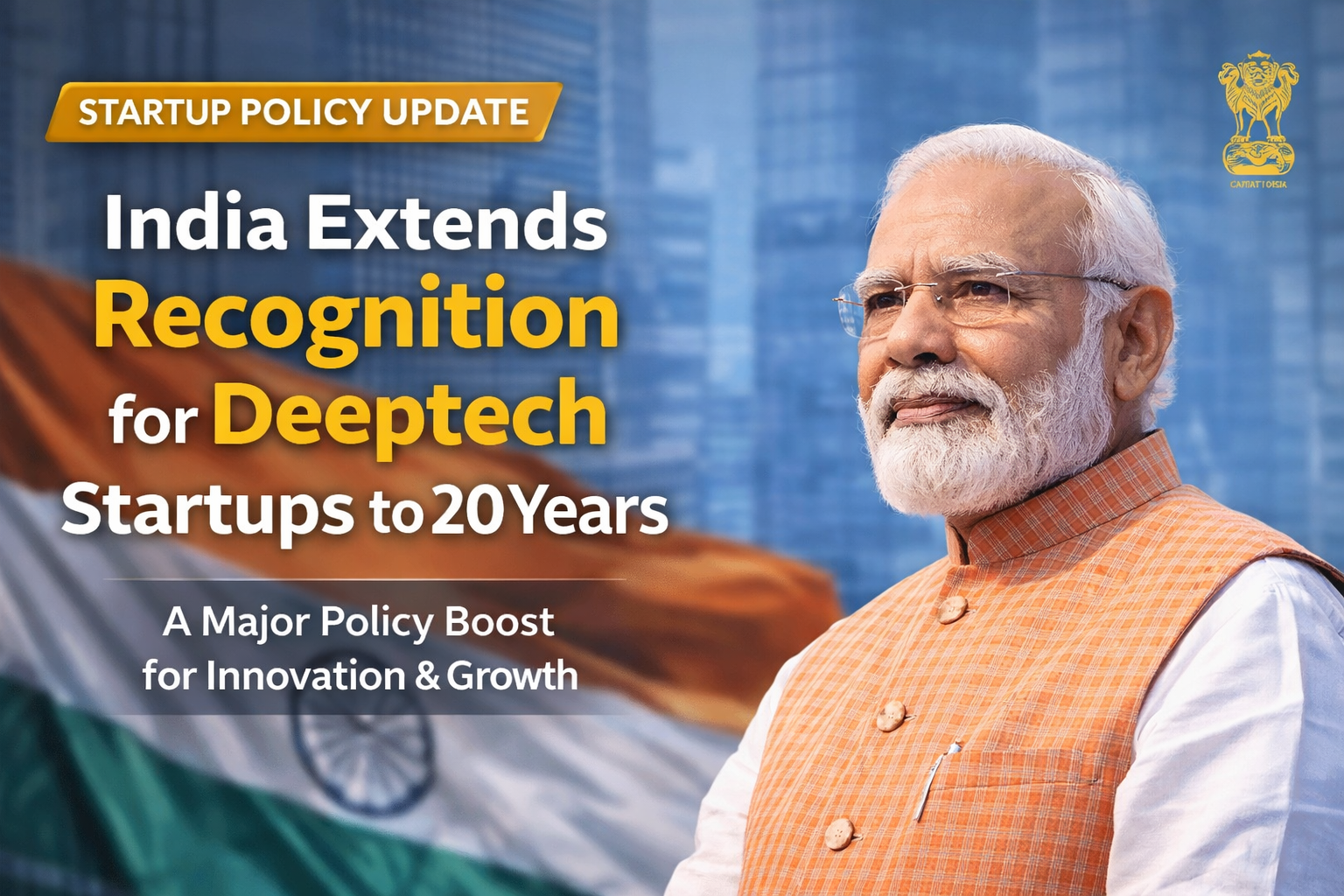
The J&K administration needs to formulate progressive policies that incentivize agri-startups and value-addition units. This includes simplifying regulatory processes, offering tax holidays, and providing subsidies for capital expenditure. Access to credit, particularly for small and marginal farmers and first-time entrepreneurs, needs to be streamlined through schemes like the Agriculture Infrastructure Fund or interest subvention programs. This aligns with broader national efforts, such as the government's initiatives to launch a 'Create in India' mission to boost jobs and industries, highlighting a concerted push for economic growth. Furthermore, recognizing the long gestation periods for innovation, the government has extended the recognition period for deeptech startups to 20 years, a policy framework that could certainly benefit agri-tech ventures in J&K.
2. Infrastructure Development:
Investing in critical infrastructure is paramount. This includes establishing modern food processing parks, cold chain facilities, farmer-producer organizations (FPOs), common facility centers for packaging and branding, and improving road and rail connectivity to markets. The development of agricultural mandis (markets) with grading and sorting facilities is also crucial.
3. Skill Development & Capacity Building:
Training programs are essential to equip farmers and young entrepreneurs with the necessary skills in modern farming techniques, post-harvest management, food processing, quality control, marketing, and business management. Agricultural universities and vocational training centers have a significant role to play in imparting this knowledge.
4. Research & Development:
Continuous innovation is key. Research institutions should focus on developing high-yielding, disease-resistant crop varieties, sustainable farming practices, and innovative processing technologies suited to J&K's specific conditions. Collaborations with national and international research organizations can accelerate this process.
5. Market Access & Promotion:
Facilitating market linkages, both domestic and international, is vital. Promoting J&K's unique agricultural products through branding initiatives, participation in trade fairs, and leveraging e-commerce platforms can significantly expand market reach. Geographical Indication (GI) tagging for products like Kashmiri saffron and Pashmina wool can further enhance their premium status.
Economic Impact: A Ripple Effect of Prosperity
The transformation of J&K's agricultural sector through startups and value-addition will have a profound socio-economic impact:
- Job Creation: Beyond farming, new jobs will emerge in processing units, cold storage, logistics, marketing, and research, curbing unemployment and rural-urban migration.
- Increased Farmer Incomes: Value-added products fetch higher prices, directly translating into better incomes for farmers and improving their living standards.
- Diversification of Economy: Reduces over-reliance on traditional crops, making the economy more resilient to market fluctuations and climatic shocks.
- Rural Development: Investments in agricultural infrastructure and enterprises will stimulate overall rural development, leading to better amenities and services.
- Regional Brand Building: J&K's high-quality agricultural produce can establish a strong brand identity in national and international markets, attracting further investment and tourism.
- Food Security: Enhanced productivity and reduced post-harvest losses contribute to greater food security for the region.
Overcoming Challenges and Forging Ahead
While the potential is immense, several challenges need careful navigation. Political stability, security concerns, and environmental sustainability remain critical factors. Implementing robust climate-resilient farming practices, ensuring equitable access to resources, and fostering a culture of innovation and collaboration will be essential. Addressing land fragmentation through farmer collectives and promoting contract farming models can also enhance efficiency.
The vision articulated by Omar Abdullah is not merely an economic strategy; it's a blueprint for empowering the people of J&K, especially the youth, by providing them with opportunities to be creators, innovators, and entrepreneurs in their own land. It signifies a shift from a primary producing economy to a value-driven, knowledge-intensive one.
Conclusion: J&K's Agricultural Renaissance
J&K stands at the cusp of an agricultural renaissance. With its unparalleled natural resources, coupled with strategic interventions in value-addition, technological adoption, and a supportive entrepreneurial ecosystem, the region's green gold can truly become a cornerstone of its prosperity. The journey ahead requires sustained commitment, innovative thinking, and collaborative action from all stakeholders. By embracing entrepreneurship and value-addition, J&K can transform its agricultural sector into a vibrant engine of growth, creating a future where farmers are not just cultivators but also successful entrepreneurs, contributing significantly to the region's socio-economic upliftment and making J&K a shining example of agricultural innovation in India.
Suggested Articles
 General
Anthropic's Restraint: A Terrifying AI Warning Sign
Anthropic's cautious approach to AI development, rooted in 'Constitutional AI,' hints at profound, perhaps existentia...
Read Article arrow_forward General
VIT-AP Hosts V-Launch Pad 2026: Fostering Startup Innovation
VIT-AP School of Business successfully organized 'V-Launch Pad 2026,' an event dedicated to igniting the entrepreneur...
Read Article arrow_forward General
Cloudflare's Revenue Shifts Amid AI Boom: A Deep Dive
Explore how Cloudflare's revenue model is evolving, leveraging its global network to offer AI-native services and cap...
Read Article arrow_forward General
When Flock Comes to Town: Cities Axing Surveillance Tech
Explore why cities are increasingly opting out of controversial Flock Safety license plate readers due to privacy con...
Read Article arrow_forward