

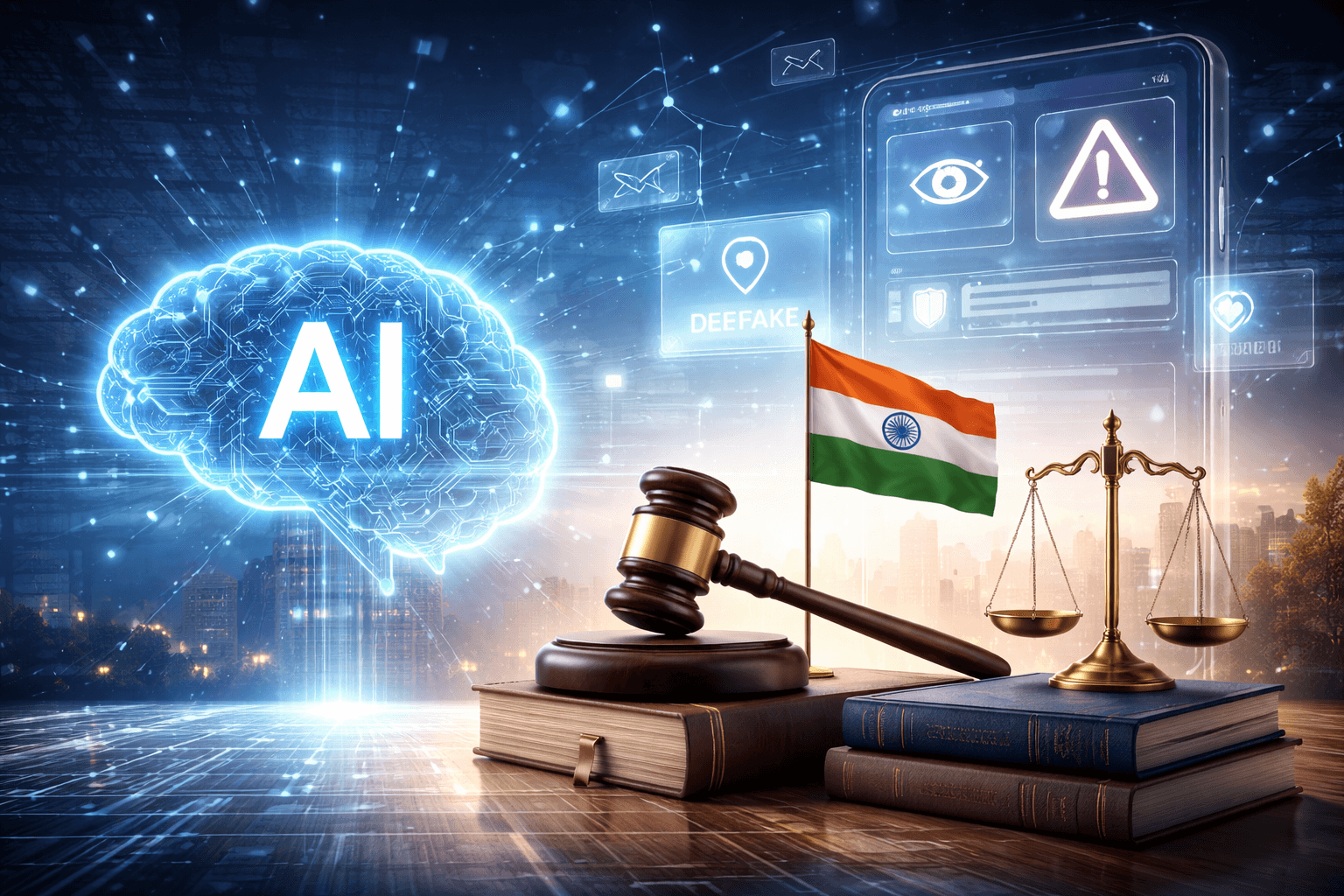
The Dawn of a New Era: AI and the Oscars
The world of cinema, long considered a bastion of human creativity, stands at a pivotal juncture. As artificial intelligence rapidly advances, its capabilities are increasingly bleeding into every facet of filmmaking, from pre-production and script development to visual effects and even performance. Recognizing this profound shift, the Academy of Motion Picture Arts and Sciences (AMPAS), the prestigious body behind the annual Academy Awards, has stepped forward with groundbreaking new rules. These guidelines specifically address the use of AI-generated actors and scripts, marking a significant attempt to navigate the complex interplay between technological innovation and the preservation of human artistry and labor.
This move by the Oscars signals a broader industry-wide reckoning. For years, AI has been a background player, enhancing visual effects or aiding in post-production. Now, with generative AI capable of crafting compelling narratives, synthesizing voices, and even creating photorealistic digital performers, the question of authorship, authenticity, and ethical responsibility has become unavoidable. The Academy's proactive stance aims to establish a framework that encourages innovation while safeguarding the creative integrity and the livelihoods of human artists within the film industry.
Understanding the New Guidelines for AI-Generated Actors
One of the most immediate and impactful aspects of the new Oscar rules pertains to AI-generated actors. The guidelines aim to distinguish between traditional digital effects that enhance a human performance and fully autonomous AI creations. Specifically, films hoping to be considered for Academy Awards will face scrutiny regarding:
- Transparency and Disclosure: Filmmakers must clearly disclose the extent to which AI has been used to create or significantly alter a performer's likeness or voice. This isn't just about credits; it's about acknowledging the fundamental source of the performance.
- Originality of Performance: The rules emphasize that a performance must originate from a human actor. While AI tools can be used to age, de-age, or subtly modify a performance, a character entirely conceived and executed by AI without a human actor's original contribution may not qualify for acting categories. This is particularly relevant given the rise of AI laws around deepfake moderation and other AI-generated content globally.
- Consent and Compensation: Although not explicitly an Oscar rule, the underlying spirit aligns with growing industry demands for clear consent from actors whose likenesses or voices are used to train AI models, as well as fair compensation for such usage. The recent Hollywood strikes brought these issues to the forefront, making them critical considerations for any production.
The goal is not to ban AI entirely but to ensure that human creativity remains at the core of what defines an 'actor's performance.' The challenge lies in defining the precise line where AI assistance ends and AI authorship begins.
Navigating AI in Scriptwriting: Authorship and Originality
The implications for screenwriters are equally profound. Generative AI models are now capable of producing coherent, character-driven scripts, outlining plots, and even writing dialogue. The Academy's new rules for scripts address this by focusing on:
- Human Authorship: For a screenplay to be eligible, it must demonstrably originate from human creative effort. While AI tools can assist in brainstorming, refining dialogue, or checking for structural coherence, the core narrative, character development, and thematic depth must be the product of a human writer.
- Distinction from AI-Generated Content: The Academy will likely look for evidence that the script reflects a unique human voice and perspective, rather than a compilation or synthesis of existing data patterns, which is often the hallmark of purely AI-generated text.
- Credit and Recognition: Similar to actors, the rules aim to ensure that human writers receive proper credit for their intellectual property and creative contributions. If a script is heavily influenced or drafted by AI, its eligibility might be questioned, especially in categories like Best Original Screenplay.
These rules reflect a desire to protect the foundational role of the screenwriter as the primary architect of a film's story, ensuring that the essence of human storytelling is preserved in the awards consideration process.
Why the Change? Protecting Artistry and Labor
The Academy's decision to implement these rules stems from a multi-faceted concern for the future of cinema. At its heart is the preservation of human creativity and the protection of the artists who drive the industry. The rapid proliferation of AI raises several critical questions:
- Erosion of Value: If AI can generate performances and scripts at a fraction of the cost and time, what happens to the perceived value of human talent?
- Ethical Dilemmas: The use of an actor's likeness without explicit consent or fair compensation, or the creation of 'deepfakes' that could be used maliciously, presents significant ethical challenges.
- Authenticity of Art: Can a film truly be considered a human artistic endeavor if its core creative elements are primarily machine-generated? The Oscars are designed to celebrate human achievement, and AI blurs this definition.
- Job Security: There are significant fears within the industry about AI-driven job displacement, particularly for actors, writers, and junior creative staff. The Academy's rules, while not explicitly designed as labor protection, certainly lean into recognizing the human effort involved.
These concerns gained significant traction during the Writers Guild of America (WGA) and Screen Actors Guild?American Federation of Television and Radio Artists (SAG-AFTRA) strikes in 2023, where AI's role was a central point of negotiation. The Oscar rules can be seen as a direct response to these industry-wide anxieties, aiming to provide clarity and set boundaries.
Implications for Filmmakers and the Industry
These new rules will undoubtedly reshape how films are conceived, produced, and even marketed. Filmmakers will need to be acutely aware of the guidelines from pre-production through post-production. This could involve:
- Enhanced Documentation: Studios and production houses might need more rigorous documentation of their creative processes, detailing the extent of AI involvement.
- Legal and Ethical Consultations: Navigating consent for AI-generated likenesses and voices will become a more complex legal and ethical minefield, requiring expert guidance.
- Rethinking Creative Workflows: While AI can be a powerful tool for efficiency, directors and writers might need to consciously ensure that their core creative output remains distinctly human to qualify for top awards.
- Innovation with Boundaries: The rules don't stifle innovation but rather channel it within a framework that prioritizes human contribution. This might lead to new forms of hybrid creativity where AI serves as a powerful assistant rather than a primary creator.
The industry will also likely see a rise in specialized roles focusing on AI ethics, compliance, and responsible integration, further highlighting the evolving landscape of film production.
The Global Conversation on AI in Creative Arts
The Oscars are a global institution, and their stance on AI will undoubtedly influence discussions in other film academies and creative industries worldwide. This isn't an isolated phenomenon; governments and organizations globally are grappling with how to regulate AI. For instance, discussions around the future of AI at summits worldwide underscore the necessity for international cooperation and consistent regulatory frameworks. The challenges of defining authorship, ensuring fair use, and preventing misuse of AI-generated content are universal.
Other creative fields, from music to visual arts and literature, are facing similar pressures. The Academy's rules could serve as a blueprint or at least a significant precedent for how established institutions address the integration of AI while striving to protect human artistry.
Balancing Act: Innovation vs. Preservation
The core challenge for the Academy and the broader film industry remains the delicate balancing act between embracing technological innovation and preserving the intrinsic value of human creativity. AI offers unprecedented tools for filmmakers: it can accelerate tedious tasks, create fantastical worlds, and even democratize access to production tools. However, without thoughtful governance, there's a risk of devaluing the human element that has traditionally defined artistic achievement.
These rules are not a static solution but rather a dynamic attempt to keep pace with an ever-evolving technology. As AI continues to advance, the Academy, along with other industry stakeholders, will need to regularly review and adapt its guidelines to ensure they remain relevant and effective. The conversation around what constitutes 'art' and 'authorship' in the age of advanced AI is only just beginning, and the Oscars have simply fired the opening salvo in what promises to be a long and fascinating debate.
Conclusion: A Future of Collaborative Creativity
The Academy's new rules for AI-generated actors and scripts represent a crucial step towards defining the boundaries of artificial intelligence in a creative domain. They signal a clear intent to uphold the integrity of human artistry and labor, ensuring that the prestigious awards continue to celebrate the best of human storytelling and performance. While AI's role in filmmaking will undoubtedly expand, these guidelines advocate for a future where technology serves as a powerful assistant and collaborator, rather than an uncredited replacement for the human spirit that has always driven the magic of cinema. The future of film, it seems, will be a nuanced blend of silicon and soul, demanding careful navigation to protect the very essence of what makes a story truly human.
Suggested Articles
 General
India's Space Shield: Startups Launch 'Bodyguard' Satellites
India is leveraging its burgeoning space startup ecosystem to develop advanced 'bodyguard' satellites, crucial for sa...
Read Article arrow_forward General
How a Telehealth Startup Thrived on USD 20K & AI
Discover how a lean telehealth startup leveraged just USD 20,000 and advanced AI to disrupt the healthcare industry, ...
Read Article arrow_forward General
AI in Every Backpack: US Teens Shape Futures with Chatbots
AI chatbots are now an integral part of how US teenagers learn, search for information, and plan their futures, profo...
Read Article arrow_forward General
Sam Altman: AI Drives Leaner Startups & Smaller Teams
OpenAI CEO Sam Altman discusses how artificial intelligence is catalyzing a new wave of startups operating with signi...
Read Article arrow_forward