

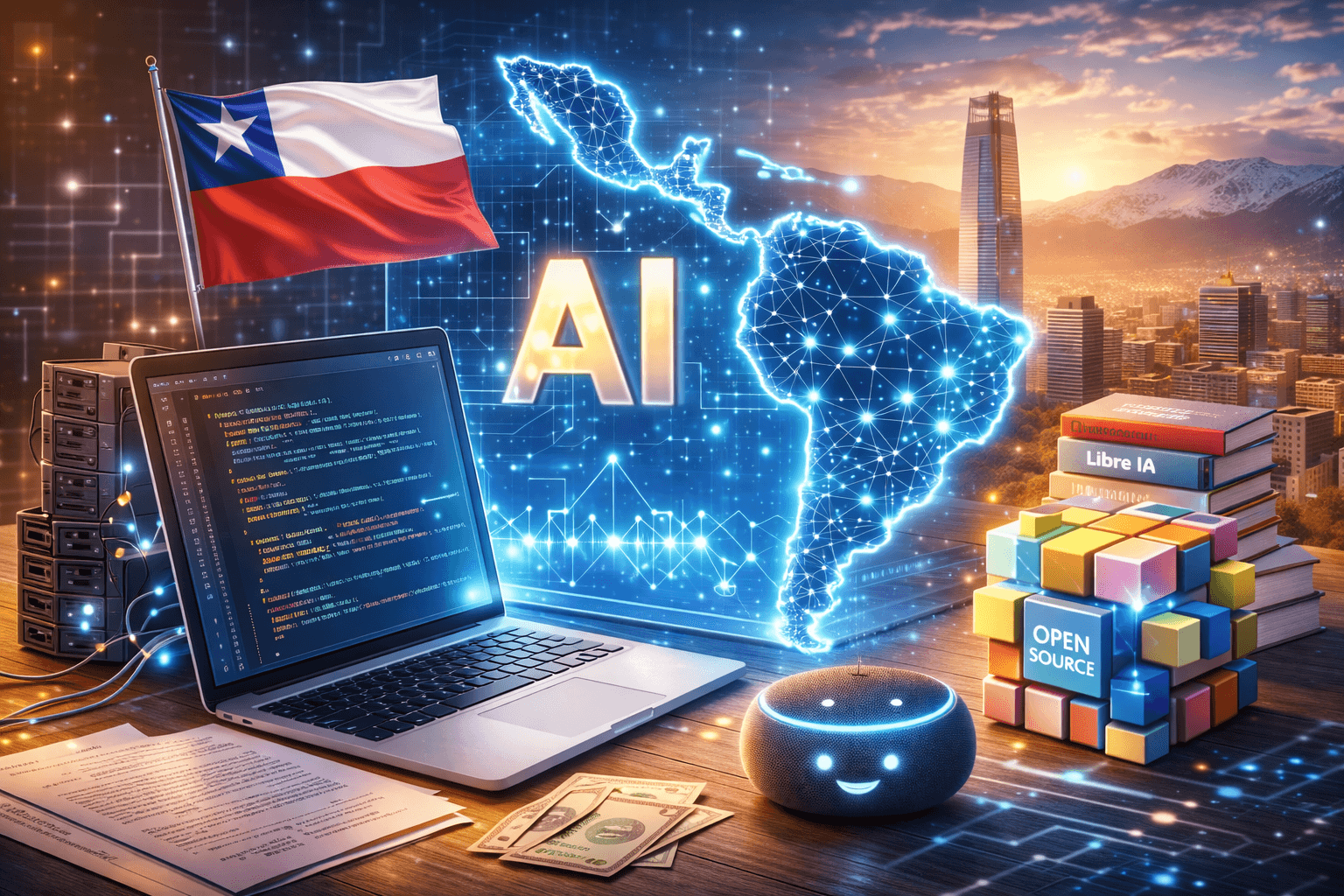
The Synergy of Public-Private Partnerships in Advancing AI
The rapid evolution of Artificial Intelligence (AI) presents both unprecedented opportunities and complex challenges. As AI technologies permeate every facet of society, from healthcare to finance and beyond, the need for robust monitoring, ethical guidance, and informed policy-making becomes paramount. This is where the concept of a Regional Observatory on Artificial Intelligence, significantly bolstered by public-private partnerships (PPPs), emerges as a critical framework for responsible AI development and deployment.
A Regional AI Observatory serves as a central hub for gathering, analyzing, and disseminating data related to AI trends, research, applications, and societal impacts within a specific geographical or economic region. Its primary goal is to provide stakeholders—governments, businesses, academia, and civil society—with comprehensive insights to make informed decisions, foster innovation, and mitigate potential risks. The establishment and effective operation of such an observatory, however, require a collaborative effort that transcends traditional silos, making PPPs an indispensable model.
Public-private partnerships bring together the strengths of both sectors. The public sector, typically represented by government bodies, research institutions, and regulatory agencies, provides legitimacy, a mandate for public good, policy-making power, and often, funding for foundational research and infrastructure. The private sector, comprising technology companies, startups, and industry associations, brings cutting-edge innovation, market-driven insights, technical expertise, financial investment, and agility. This convergence of resources and expertise creates a powerful synergy essential for tackling the multifaceted nature of AI governance.
Defining a Regional AI Observatory: More Than Just Data Collection
At its core, a Regional AI Observatory is an institution dedicated to understanding and influencing the trajectory of AI within its domain. Its functions are diverse and far-reaching, encompassing:
- Data Collection and Analysis: Systematically gathering information on AI research outputs, industry applications, investment trends, talent migration, and public perception.
- Policy Recommendation: Translating complex AI developments into actionable policy recommendations for governments, focusing on areas like regulation, ethical guidelines, data privacy, and intellectual property.
- Ethical Framework Development: Proposing and promoting ethical principles and best practices for AI design, development, and deployment, ensuring that AI systems are fair, transparent, and accountable.
- Innovation Ecosystem Support: Identifying emerging technologies, fostering collaboration between startups and established companies, and highlighting areas for strategic investment to accelerate regional AI innovation.
- Public Engagement and Education: Raising public awareness about AI, its benefits and risks, and facilitating informed public discourse to build trust and understanding.
- Talent Development: Monitoring the AI talent landscape and advising on educational and training programs to meet future workforce demands.
The 'regional' aspect is crucial. While global bodies address AI at an international level, regional observatories can tailor their efforts to specific cultural contexts, economic priorities, and regulatory environments. This localized focus allows for more nuanced and effective interventions, addressing the unique challenges and opportunities faced by a particular region.
The Indispensable Role of Public-Private Partnerships
The successful functioning of a Regional AI Observatory hinges significantly on the active involvement and sustained commitment of both public and private entities. Here’s why PPPs are so vital:
Shared Vision and Resource Mobilization
PPPs facilitate the creation of a shared vision for AI development that balances economic growth with societal well-being. This shared vision helps in mobilizing diverse resources—financial, human, and technological—that neither sector could amass alone. Public funding can de-risk early-stage research or infrastructure projects, while private investment can accelerate commercialization and scaling.
Bridging the Knowledge Gap
The public sector often lacks the deep, real-time understanding of rapidly evolving technological trends that the private sector possesses. Conversely, the private sector may not fully grasp the societal implications or regulatory complexities that governments must address. PPPs create a dialogue where this knowledge gap can be bridged, ensuring that policies are informed by technological realities and that innovations are aligned with public interest.
For instance, when considering the potential impact of AI-driven job shock that could affect millions entering the workforce, an observatory driven by PPPs can leverage industry data on automation trends alongside government employment statistics to project future labor market needs and recommend proactive skill development programs.
Ensuring Ethical and Responsible AI
Ethical considerations are central to AI development. While governments can legislate ethical frameworks, private companies are at the forefront of implementing these technologies. PPPs provide a platform for co-creating ethical guidelines that are both robust in principle and practical in application. This collaboration helps in developing standards for data privacy, algorithmic fairness, and accountability that resonate with both regulatory bodies and industry practices.
Discussions around new AI laws to reshape deepfake moderation and social media, for example, would greatly benefit from the input of tech companies that understand the technical feasibility and impact of such regulations, alongside public bodies focused on citizen protection and media integrity.
Fostering Innovation and Competitiveness
By bringing together researchers, entrepreneurs, and policy-makers, an AI observatory supported by PPPs can identify strategic areas for investment, facilitate technology transfer, and create an environment conducive to innovation. It can help in pinpointing niche areas where a region can achieve a competitive advantage, attracting talent and foreign direct investment. This collaborative approach can accelerate the development and adoption of AI solutions that address regional challenges and create new economic opportunities.
Challenges and How PPPs Provide Solutions
While the benefits are clear, establishing and maintaining an effective Regional AI Observatory through PPPs is not without its challenges:
- Trust and Transparency: Building trust between diverse stakeholders, especially concerning data sharing and intellectual property, can be difficult. PPPs need clear governance structures and transparent communication protocols to foster mutual confidence.
- Funding Sustainability: Ensuring long-term financial viability requires innovative funding models. PPPs can diversify funding sources, combining government grants with private sector contributions, philanthropic support, and potentially revenue-generating services.
- Balancing Interests: Public and private sectors often have different motivations—public good versus profit. An observatory must navigate these differences to ensure that its recommendations serve the broader public interest while also recognizing the need for innovation and economic viability.
- Data Harmonization and Sharing: Collecting and integrating data from various sources, especially across different organizations and jurisdictions, can be complex. PPPs can work on developing common standards and secure platforms for data exchange, respecting privacy and proprietary information.
By actively engaging both sectors from the outset, PPPs can pre-empt many of these challenges. They establish a framework for ongoing dialogue, conflict resolution, and adaptive strategy formulation, making the observatory more resilient and effective.
Case Study: A Hypothetical Regional AI Observatory in Action
Imagine a Regional AI Observatory in Southeast Asia, established through a PPP. The government provides initial seed funding, a legal framework, and access to anonymized public datasets. Private tech companies contribute their data analytics expertise, cloud infrastructure, and insights into market demands. Universities offer academic research, ethical expertise, and talent development programs.
This observatory might:
- Monitor the adoption rate of AI in key industries like agriculture and healthcare, identifying gaps and opportunities for local startups.
- Develop a regional AI ethics code, drawing on diverse cultural values and legal systems, to guide local AI developers.
- Host hackathons and incubators to nurture AI talent and accelerate the development of solutions tailored to regional needs, such as AI solutions transforming rural India's future by optimizing crop yields or improving healthcare access.
- Publish regular reports on the socio-economic impact of AI, informing policy-makers on education, labor market adjustments, and social welfare programs.
Such an observatory becomes a vital asset, ensuring that the region not only participates in the global AI revolution but also shapes it in a way that benefits its unique population and economic landscape.
The Global Context and Future Outlook
The advancement of regional AI observatories through PPPs is not an isolated phenomenon. It reflects a growing global recognition that AI governance requires collaborative, multi-stakeholder approaches. As AI continues to evolve, these observatories will become increasingly important for several reasons:
- Anticipating Disruption: AI is a rapidly moving target. Observatories can serve as early warning systems for emerging trends, ethical dilemmas, and potential societal disruptions, allowing regions to be proactive rather than reactive.
- Ensuring Inclusivity: By focusing on regional needs, these observatories can ensure that AI development is inclusive, addressing the specific challenges faced by diverse communities and preventing a widening of the digital divide.
- International Cooperation: While regionally focused, these observatories can also collaborate with their counterparts in other regions and with global organizations, sharing best practices and contributing to a broader understanding of AI's global impact.
- Building Trust: In an era of increasing skepticism about technology, transparent and collaborative observatories can help build public trust in AI by demonstrating a commitment to responsible development and public accountability.
The future of AI is not solely in the hands of technologists or governments but in the collective wisdom and concerted efforts of all stakeholders. Public-private partnerships are the crucible in which this collective wisdom can be forged, creating regional AI observatories that are agile, insightful, and dedicated to harnessing AI's potential for good.
Conclusion
The journey towards a future where Artificial Intelligence serves humanity responsibly and effectively is complex and requires sustained effort. Regional Observatories on Artificial Intelligence, powered by the collaborative might of public-private partnerships, represent a pragmatic and powerful model for navigating this journey. By pooling resources, expertise, and perspectives, these partnerships can establish institutions capable of monitoring AI's trajectory, shaping informed policies, fostering ethical innovation, and engaging the public in a meaningful dialogue. As AI continues to redefine our world, the role of such observatories will only grow, underscoring the critical importance of strong public-private collaborations in building a sustainable and beneficial AI ecosystem for all.
Suggested Articles
 General
Optimizing ARR in the AI Era: Strategies for Startups
Discover how AI is revolutionizing Annual Recurring Revenue (ARR) for startups, offering insights into enhanced custo...
Read Article arrow_forward General
AI: Reshaping More Jobs Than It Replaces – The Future of Work
Artificial Intelligence is set to transform, not eliminate, most jobs. Discover how AI will reshape industries, deman...
Read Article arrow_forward General
Why Europe's Green Energy Startups Are Choosing to Leave
Europe, once a leader in green innovation, faces a concerning exodus of its top energy startups. Discover the reasons...
Read Article arrow_forward
General
IIT Kanpur Launches Intensive AI & ML Certification
IIT Kanpur unveils a comprehensive certification program in AI and Machine Learning, aiming to equip professionals wi...
Read Article arrow_forward