

The Sweet Revolution: Rent a Tree Transforms Mango Farming
In a world increasingly driven by convenience and a growing disconnect from the origins of our food, an innovative agri-startup from Kochi, Kerala, is sowing the seeds of change. “Rent a Tree” is not just a catchy name; it’s a groundbreaking business model that allows urban consumers across India to lease their very own mango trees. This initiative bridges the gap between city life and rural agriculture, offering a unique blend of sustainability, fresh produce, and a tangible connection to nature.
The concept is remarkably simple yet profound. Imagine having access to fresh, naturally grown mangoes directly from your “own” tree, without the hassle of farming. Rent a Tree makes this a reality, fostering a sense of ownership and promoting a more sustainable approach to food consumption. It’s a win-win for everyone involved: urban dwellers get premium produce, farmers secure a stable income, and the environment benefits from sustainable practices.
How the “Rent a Tree” Model Works
The operational framework of Rent a Tree is designed for simplicity and transparency. Here’s a step-by-step breakdown of how a customer can lease a mango tree:
- Selection: Customers browse a catalog of available mango trees, often categorized by variety (e.g., Alphonso, Kesar, Banganapalli), age, and expected yield. The trees are typically located in farms across various mango-producing regions of India.
- Leasing: Once a tree is selected, customers lease it for a specific period, usually for one mango season, though longer-term leases might be available. The leasing fee typically varies based on the tree’s potential yield and variety. For instance, a lease could range from INR 2,000 to INR 10,000 or more per season, depending on these factors and additional services.
- Farming & Maintenance: Rent a Tree’s network of partner farmers and agricultural experts take over. They meticulously care for the leased trees using sustainable and often organic farming practices. This includes irrigation, pest control, pruning, and ensuring optimal growing conditions.
- Updates & Transparency: Lessees receive regular updates about their tree’s progress, including photos and videos of the blossoming flowers, nascent fruits, and the eventual ripening process. This transparent communication builds trust and enhances the unique experience of “owning” a tree.
- Harvest & Delivery: Once the mangoes are ripe and ready for harvest, Rent a Tree coordinates the plucking, packaging, and delivery. The fresh, chemical-free mangoes are then delivered directly to the customer’s doorstep, anywhere in India. The quantity delivered is based on the actual yield of the leased tree, often with a minimum guarantee.
This innovative approach removes all the complexities of farming from the consumer’s plate, allowing them to enjoy the fruits of their “labor” without getting their hands dirty.
Benefits: A Harvest for Everyone
For Urban Consumers: Freshness, Connection, and Gifting
- Guaranteed Fresh & Healthy Produce: Customers receive mangoes that are naturally ripened on the tree, free from artificial ripening agents and excessive pesticides, often associated with commercially available fruit.
- Unique Experience & Connection: Leasing a tree offers a profound connection to nature and agriculture, a rare commodity for city dwellers. It’s an educational experience that fosters appreciation for farming processes.
- Eco-Conscious Choice: By supporting sustainable farming, consumers contribute to reducing their carbon footprint and promoting environmentally friendly practices.
- Novel Gifting Option: A leased mango tree makes for an incredibly unique and thoughtful gift for friends, family, or even corporate partners, offering a “green” alternative to traditional presents.
For Farmers: Stability, Modernization, and Empowerment
- Stable Income Stream: Farmers often face volatile market prices and unpredictable weather patterns. Rent a Tree provides a pre-booked market for their produce, ensuring a stable and predictable income for their efforts, reducing financial stress.
- Access to Modern Practices: Partnering with a startup often means access to better agricultural techniques, market insights, and sometimes even financial aid for adopting sustainable farming methods.
- Reduced Market Risks: The startup handles the marketing, logistics, and sales, allowing farmers to focus purely on cultivation without worrying about finding buyers or negotiating prices.
- Empowerment: This model helps integrate small and marginal farmers into a larger, more organized supply chain, giving them better bargaining power and a sense of dignity in their profession.
For the Environment: Sustainability at its Core
- Promotion of Organic/Sustainable Farming: Rent a Tree actively encourages and implements sustainable farming practices among its partner farmers, minimizing the use of harmful chemicals and conserving soil health.
- Reduced Food Miles: Direct delivery from farm to consumer often means reduced transportation, leading to lower carbon emissions compared to traditional supply chains involving multiple intermediaries.
- Biodiversity Preservation: Supporting traditional mango orchards helps in preserving the genetic diversity of various mango varieties, some of which might be under threat.
This innovative approach aligns perfectly with the broader trend of startups shaping India’s farm economy and the future of agritech, leveraging technology and unique business models to address long-standing challenges in the agricultural sector while creating new opportunities.
The Business of Green: Rent a Tree’s Vision and Impact
Since its inception, Rent a Tree has not only captivated the imagination of urban consumers but has also made a tangible impact on the lives of numerous farmers. The startup embodies the spirit of entrepreneurship – identifying a need and creating a novel solution that benefits multiple stakeholders. Their success demonstrates the vast potential within India’s agricultural sector for innovative, market-driven solutions.
The vision extends beyond just mangoes. The “Rent a Tree” model could potentially be replicated for other seasonal fruits or even specific crops, offering a scalable framework for connecting consumers directly with various agricultural produce. This diversification could further empower local farming communities and provide a wider range of fresh, ethically sourced products to consumers.
Such pioneering ventures benefit immensely from a supportive ecosystem. Government initiatives that extend recognition periods for deeptech startups to 20 years, for example, foster an environment where innovation and long-term growth in vital sectors like agriculture can truly flourish. These policies are crucial for startups that require significant time to build trust, establish networks, and refine their operational models.
Bridging the Urban-Rural Divide
One of the most significant, yet often overlooked, impacts of models like Rent a Tree is its role in bridging the cultural and economic divide between urban and rural India. As cities grow, the connection to agricultural roots often diminishes. By offering a direct link to the farm, Rent a Tree helps urban residents understand the nuances of farming, the challenges farmers face, and the immense effort that goes into producing the food we eat.
This initiative not only brings high-quality produce to the cities but also channels financial resources directly to rural economies, creating a more equitable distribution of wealth. It fosters a sense of collective responsibility towards sustainable agriculture and highlights the potential for technology and innovative business models to revitalize traditional sectors.
The success story of Rent a Tree from Kochi serves as an inspiration for other entrepreneurs looking to make a difference in the agricultural space. It exemplifies how creativity, coupled with a commitment to sustainability and community welfare, can yield substantial returns, both economic and social.
Conclusion: A Taste of the Future
Rent a Tree is more than just a business; it’s a movement towards more conscious consumption and sustainable agriculture. By allowing individuals to “rent” a piece of nature, this Kochi-based startup has carved a unique niche, offering a blend of experience, quality, and ethical sourcing. It champions the cause of farmers while providing urban populations with the luxury of farm-fresh, naturally grown mangoes.
As India continues its journey of economic growth, such innovative startups will play a pivotal role in shaping a sustainable and equitable future for its diverse population. The sweet taste of a mango, freshly delivered from your leased tree, might just be a taste of that promising future. To discover more such groundbreaking initiatives and explore the diverse world of innovation, readers can always check out the latest articles and insights on Wasupp.info.
Suggested Articles
 General
Staying Small: The Unexpected Advantage for AI Startups
Discover why AI startups are finding immense success by embracing lean structures, outmaneuvering large tech giants, ...
Read Article arrow_forward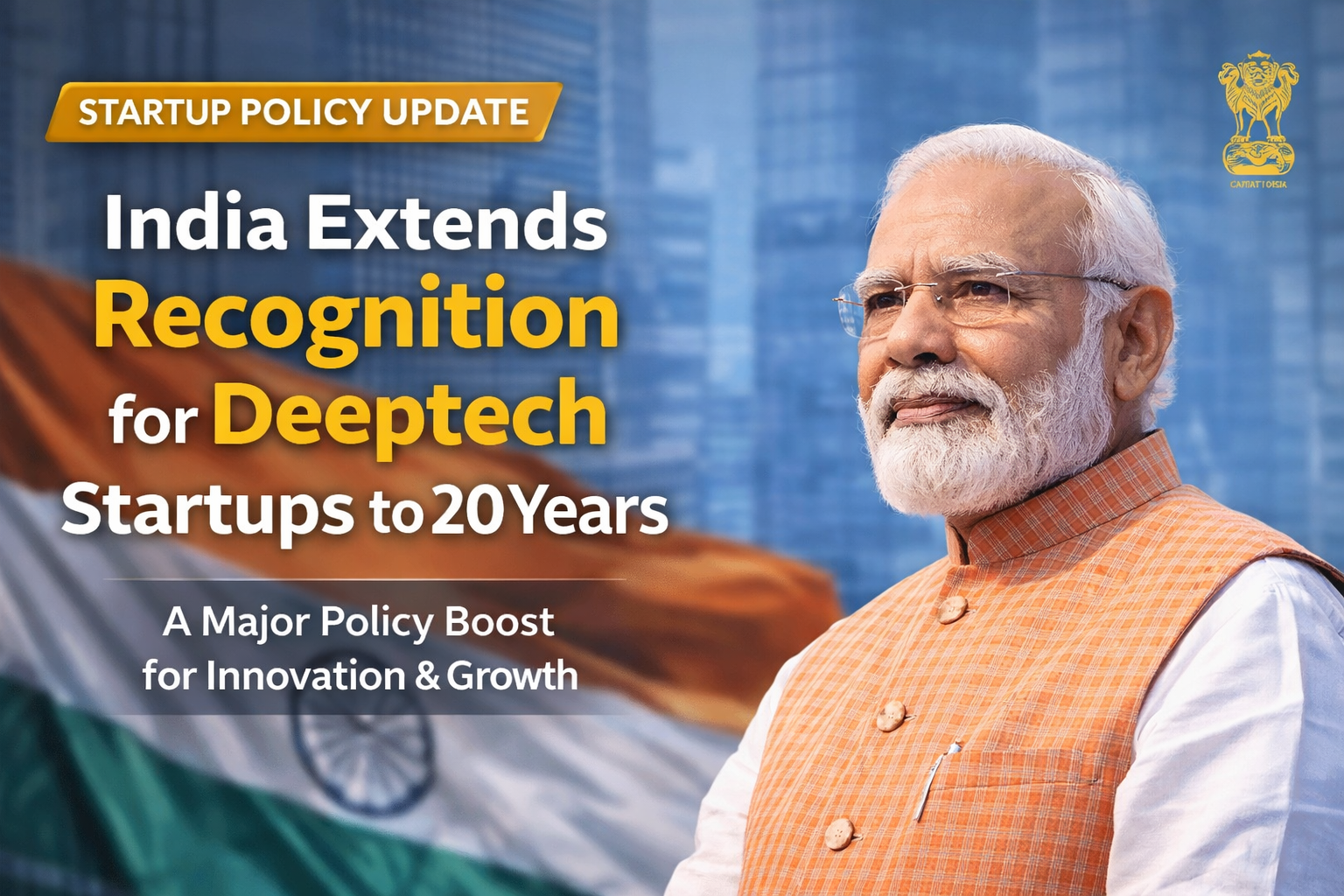 General
Women-Led Startups Soar in ELEVATE: A New Era of Innovation
Discover the remarkable surge of women-led startups within the ELEVATE program, highlighting their growing influence ...
Read Article arrow_forward General
Say No to Drugs, Embrace Tech: V-P Urges Tripura Students
India's V-P Jagdeep Dhankhar advised Tripura University students to shun drugs and leverage technology for nation-bui...
Read Article arrow_forward General
Karnataka Embraces V2V Tech: Operators Seek Support
Karnataka's transport sector welcomes Vehicle-to-Vehicle (V2V) communication technology for enhanced safety and effic...
Read Article arrow_forward