


Students: Spearheading India's Technological Revolution and Scientific Self-Reliance
In an era defined by rapid technological advancements, the clarion call for students to not only embrace but also drive innovation has become louder than ever. India, with its vast demographic dividend, sees its youth as the linchpin for achieving scientific self-reliance. This vision, deeply embedded in the 'Atmanirbhar Bharat' initiative, emphasizes leveraging technology to foster indigenous capabilities, reduce dependence on foreign imports, and position India as a global leader in science and technology. Students are not just consumers of technology; they are the potential creators, innovators, and problem-solvers who will shape the nation's future.
The emphasis on scientific self-reliance is more than just an economic strategy; it's a nation-building exercise. It aims to cultivate a culture of innovation, research, and development within the country, ensuring that solutions to India's unique challenges are conceived and implemented by its own talent. For students, this presents an unparalleled opportunity to contribute meaningfully to society and the economy, transforming theoretical knowledge into practical applications that drive progress.
The Imperative of Technological Adoption for Youth
The global landscape is relentlessly evolving, driven by disruptive technologies such as Artificial Intelligence (AI), Machine Learning (ML), Data Science, Blockchain, and the Internet of Things (IoT). To remain competitive and relevant, India's future workforce must be adept at these technologies. Education, therefore, must move beyond traditional curricula, integrating practical, hands-on learning experiences that equip students with future-ready skills.
Why Technology is Critical for Students:
- Skill Development for Future Jobs: Many traditional jobs are being automated, while new roles are emerging that demand advanced technological skills. Equipping students with these skills ensures their employability and adaptability in a dynamic job market. For instance, understanding the potential impact of AI on the workforce is crucial for career planning.
- Problem-Solving and Innovation: Technology provides powerful tools to address complex societal and environmental challenges, from healthcare to agriculture, urban planning, and disaster management. Students can use these tools to develop innovative solutions.
- Access to Global Knowledge and Collaboration: The digital age has democratized access to information. Students can learn from global experts, collaborate on international projects, and contribute to the global scientific community from anywhere.
- Entrepreneurial Opportunities: Technology lowers barriers to entry for startups. Students with innovative ideas can leverage digital platforms and tools to build and scale their ventures, contributing to economic growth and job creation.
Key Areas for Student Contribution to Scientific Self-Reliance
Students can make significant contributions across various strategic sectors, fostering both innovation and self-reliance:
- Artificial Intelligence (AI) and Machine Learning (ML): From developing AI-powered diagnostics in healthcare to optimizing logistics and creating smart agricultural solutions, the applications are endless. Students can engage in research, develop algorithms, and build AI models tailored to India's specific needs, mirroring the ambition seen in Indian IT giants partnering with global AI leaders.
- Data Science and Analytics: India generates vast amounts of data. Students can specialize in data analytics to extract insights that inform policy-making, improve public services, and drive business strategies across sectors.
- Cybersecurity: As digital infrastructure expands, so does the threat of cyberattacks. Students can become cybersecurity experts, developing robust defenses and contributing to national digital security.
- Green Technologies and Sustainable Solutions: With a growing focus on environmental sustainability, students can innovate in renewable energy, waste management, pollution control, and eco-friendly manufacturing processes.
- Digital Infrastructure Development: Contributing to the development of robust, secure, and accessible digital infrastructure, particularly for rural areas, is vital for inclusive growth. This includes developing applications, network solutions, and digital literacy tools.
- Advanced Manufacturing and Robotics: Driving innovation in automation, robotics, and advanced manufacturing processes can boost India's industrial capabilities and competitiveness.
- Space Technology and Defense: Engaging in cutting-edge research and development for space exploration, satellite technology, and defense systems can bolster national security and strategic autonomy.
The Role of Educational Institutions and Government Support
For students to effectively contribute, a supportive ecosystem is essential. Educational institutions, in collaboration with government and industry, play a pivotal role:
- Curriculum Reform: Updating curricula to include emerging technologies, fostering interdisciplinary learning, and emphasizing practical, project-based learning.
- Establishing Innovation Hubs and Incubators: Providing platforms for students to experiment, develop prototypes, and receive mentorship for their entrepreneurial ventures.
- Industry-Academia Collaboration: Bridging the gap between theoretical knowledge and industry requirements through internships, research projects, and joint ventures.
- Promoting Research and Development (R&D): Encouraging students and faculty to engage in original research, offering funding, and facilitating access to state-of-the-art facilities.
The government's role is equally crucial. Initiatives like 'Digital India,' 'Startup India,' and 'Skill India' are designed to create an enabling environment. Policies promoting R&D, providing funding for deep tech startups, and fostering digital literacy are fundamental. The government's 'Create in India' mission directly aligns with the goal of leveraging local talent for economic growth and technological advancement.
Challenges and Opportunities on the Path to Self-Reliance
While the opportunities are immense, challenges remain. The digital divide, particularly in rural areas, can hinder equitable access to technological education. The rapid pace of technological change necessitates continuous learning and upskilling, requiring individuals to be lifelong learners. Furthermore, competing with global tech giants demands sustained investment in R&D and a culture that celebrates failure as a stepping stone to innovation.
However, these challenges also present opportunities. Addressing the digital divide can unleash a vast untapped pool of talent. The need for continuous learning can foster a dynamic educational ecosystem that is responsive to global trends. By focusing on niche areas and leveraging its unique demographic advantages, India can carve out its own space in the global tech landscape.
How Students Can Prepare and Engage
For individual students eager to make a difference, several pathways exist:
- Embrace STEM Fields: Develop a strong foundation in Science, Technology, Engineering, and Mathematics. These disciplines are the bedrock of technological innovation.
- Develop Digital Literacy and Core IT Skills: Beyond basic computer usage, learn programming languages, data structures, and fundamental concepts of cybersecurity and networking.
- Participate in Hackathons and Competitions: These platforms offer practical exposure, opportunities to collaborate, and a chance to develop real-world solutions.
- Seek Internships and Mentorship: Gaining practical experience in industry or research labs under the guidance of experienced professionals is invaluable.
- Cultivate Critical Thinking and Problem-Solving Skills: Technology is a tool; the ability to identify problems and devise innovative solutions is paramount.
- Stay Updated with Emerging Technologies: Follow industry trends, read scientific journals, and engage in online courses to keep knowledge current.
- Collaborate and Network: Work with peers, join tech communities, and build networks that can foster innovation and provide support.
Conclusion
The call for students to leverage technology and contribute to India's scientific self-reliance is more than a directive; it's an invitation to be part of a transformative national journey. By equipping themselves with cutting-edge skills, fostering a spirit of inquiry and innovation, and actively participating in the nation's technological endeavors, students can become the architects of a self-reliant, digitally empowered, and scientifically advanced India. Their collective ingenuity and dedication will not only shape their own futures but also determine the trajectory of the nation in the 21st century, ensuring that India stands tall as a beacon of innovation and technological prowess on the global stage.
Suggested Articles
 General
The Rising Cost of AI-Generated Code: A Reality Check
Initial hype around AI coding assistance is facing a harsh economic reality. Discover why the costs of using AI to ch...
Read Article arrow_forward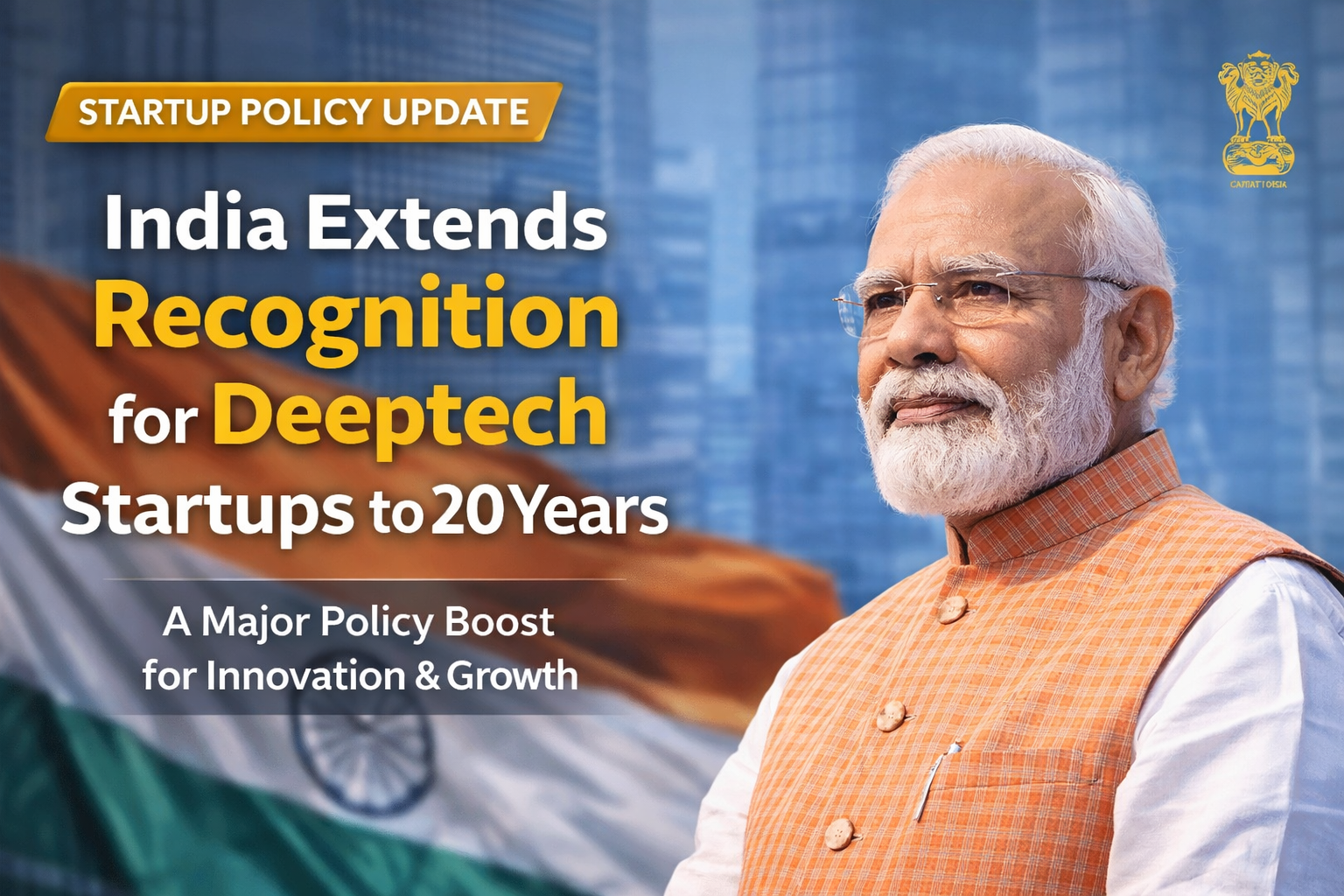 General
Women-Led Startups Soar in ELEVATE: A New Era of Innovation
Discover the remarkable surge of women-led startups within the ELEVATE program, highlighting their growing influence ...
Read Article arrow_forward
General
Pentagon Forges AI Alliances, Excludes Anthropic
The US Department of Defense inks deals with leading AI firms to bolster national security, notably omitting Anthropi...
Read Article arrow_forward
General
Antonio Gracias on 'Proentropic' Startups: Thriving in Chaos
Venture capitalist Antonio Gracias champions 'proentropic' startups, built to not just survive but flourish amidst ma...
Read Article arrow_forward