

The Rise of a Collaborative Ecosystem
In an increasingly interconnected and rapidly evolving global economy, the synergy between academic institutions and nascent businesses, particularly startups, has emerged as a powerful catalyst for innovation, economic growth, and talent development. The concept of students and startups sharing a dais-whether literally in hackathons and pitch events, or figuratively through internships, projects, and mentorship is transforming the landscape of entrepreneurship and education. This collaboration is not just a passing trend; it's a fundamental shift in how future workforces are prepared and how groundbreaking ideas are brought to market.
India, with its vast youth population and burgeoning startup scene, stands at the forefront of this movement. The nation's demographic dividend, coupled with a proactive government and an increasing number of incubation centers in educational institutions, creates fertile ground for such partnerships. This article delves into the multifaceted benefits, mechanisms, and future implications of this dynamic collaboration.
The Booming Startup Landscape in India
India has rapidly cemented its position as one of the world's leading startup hubs. Fuelled by digital transformation, a massive consumer base, and a culture of innovation, the number of registered startups has grown exponentially. These ventures, often characterized by their agility, disruptive technologies, and lean operations, are continuously seeking fresh perspectives, innovative solutions, and dedicated talent. This demand naturally aligns with the aspirations and capabilities of a young, digitally-native student population.
The entrepreneurial spirit is no longer confined to metro cities; it's permeating tier-2 and tier-3 cities, driven by accessible technology and mentorship. This decentralization further opens avenues for students from diverse backgrounds to engage with the startup ecosystem, bringing localized insights and solutions.
Benefits for Students: A Gateway to Real-World Experience
For students, engaging with startups offers an unparalleled opportunity to bridge the gap between theoretical knowledge and practical application. Traditional education, while foundational, often struggles to keep pace with the rapid advancements in technology and business models. Startups, by their very nature, operate at the cutting edge.
Practical Experience and Skill Development
- Hands-on Learning: Students get to work on real-world problems, often taking ownership of projects from inception to execution. This exposure is invaluable for developing problem-solving, critical thinking, and decision-making skills.
- Diverse Skill Set: Unlike established corporations where roles might be highly specialized, startups require individuals to wear multiple hats. Students gain exposure to various functions like marketing, sales, product development, finance, and operations, building a versatile skill set.
- Exposure to Latest Technologies: Startups are early adopters of new technologies and methodologies. Students working with them get to interact with and learn emerging tools, programming languages, and platforms, making them highly market-ready.
Mentorship and Networking
Startup founders and early employees are often passionate, driven individuals with deep industry knowledge. Students gain direct access to this pool of mentors, learning not just technical skills but also the nuances of entrepreneurship, leadership, and resilience. The networking opportunities extend beyond the startup itself, connecting students with investors, industry experts, and a broader community of innovators.
Fostering an Entrepreneurial Mindset
Working in a startup environment inculcates an entrepreneurial mindset characterized by innovation, adaptability, risk-taking, and a proactive approach to challenges. This mindset is crucial whether a student eventually launches their own venture or seeks employment in a larger organization.
Clearer Career Pathways
Early engagement with startups can significantly clarify a student's career aspirations. It helps them identify their strengths, interests, and the kind of work environment they thrive in, leading to more informed career choices post-graduation. Moreover, many students find permanent roles or even co-founder opportunities within the startups they initially interned with.
Benefits for Startups: Fresh Perspectives and Agile Talent
While students gain immensely, startups too reap substantial rewards from these collaborations. This symbiotic relationship provides a crucial competitive advantage to lean and agile organizations.
Access to Fresh Talent and Innovative Ideas
- Untapped Potential: Students bring fresh perspectives, unburdened by industry norms, often leading to out-of-the-box thinking and innovative solutions. Their academic background also exposes them to cutting-edge research and theories that can be applied to real-world problems.
- Cost-Effective Solutions: Engaging students through internships, projects, or part-time roles can provide startups with crucial human resources without the high overheads associated with hiring experienced professionals. This is particularly vital for early-stage startups operating on tight budgets.
Innovation and Agility
The energy and enthusiasm of students can inject new life into a startup. They are often quick learners, adaptable to new technologies, and comfortable with iterative processes, aligning perfectly with the agile development cycles common in startups. Their curiosity drives continuous learning and experimentation, which are vital for a startup's growth.
Employer Branding and Future Talent Pipeline
By actively engaging with students and educational institutions, startups can build a strong employer brand. This helps them attract top talent in the long run. Successful student engagements can convert into a reliable pipeline of future employees who are already familiar with the company culture, values, and working style.
The Pivotal Role of Educational Institutions
Educational institutions are no longer just places for imparting knowledge; they are becoming crucial enablers of this student-startup synergy. Their role extends beyond curriculum delivery to fostering an entrepreneurial ecosystem.
Curriculum Adaptation and Experiential Learning
Progressive universities and colleges are adapting their curricula to include more project-based learning, case studies from startups, and entrepreneurial courses. This ensures that students are not just theoretically sound but also practically equipped to face industry challenges.
Incubation Centers and Accelerators
Many institutions have established in-house incubation centers and accelerators that provide physical space, mentorship, funding opportunities, and administrative support to student-led startups or those collaborating with students. These centers act as vital bridges between academia and the industry.
Faculty Involvement and Industry Partnerships
Faculty members often play a dual role as mentors, guiding students through their startup projects and facilitating connections with industry partners. Strategic partnerships between institutions and industry bodies or startup associations further formalize and strengthen these collaborations.
Government Support and Future Outlook
The Indian government has recognized the immense potential of the startup ecosystem and has launched several initiatives to support its growth and foster collaboration with academia. Programs like Startup India, policies promoting innovation, and financial incentives are designed to create a conducive environment for both entrepreneurs and students.
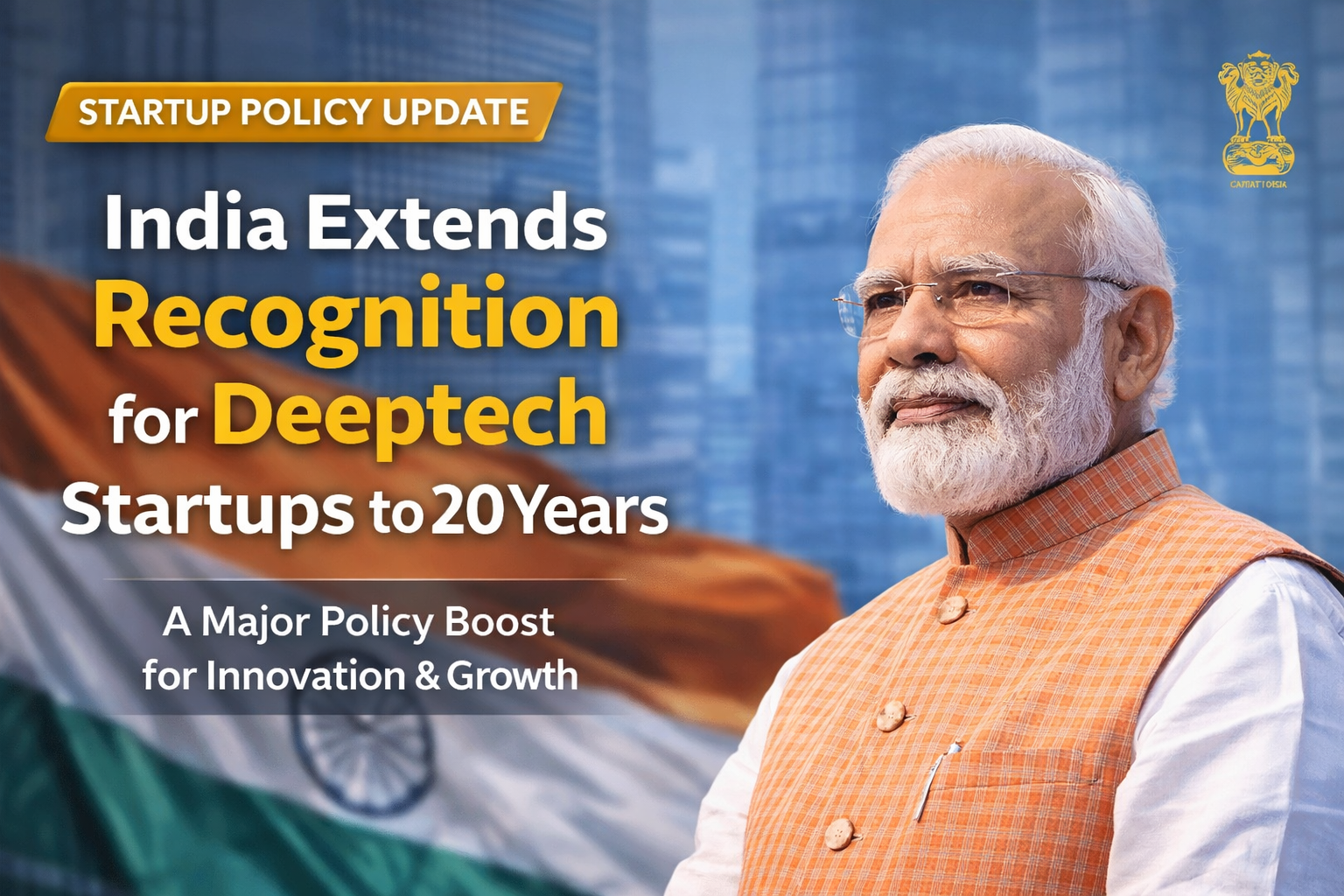
For instance, the government's strong emphasis on initiatives like the 'Create in India' mission directly aims to boost jobs and industries, aligning perfectly with the outcomes of student-startup collaboration. Furthermore, the extended recognition period for deeptech startups to 20 years underscores the long-term vision and support for innovative ventures, making them more attractive for student involvement.
As technology continues to advance, particularly in areas like Artificial Intelligence and automation, the nature of jobs is rapidly transforming. Concerns about an AI-driven job shock that could affect millions entering the workforce highlight the critical need for students to acquire future-ready skills. Collaboration with startups, which are often at the forefront of adopting and developing these new technologies, provides an invaluable pathway for students to gain relevant experience and prepare for the jobs of tomorrow.
Challenges and Solutions
Despite the immense potential, certain challenges must be addressed to maximize the efficacy of student-startup collaborations:
- Bridging the Expectation Gap: Students might have academic timelines, while startups operate with rapid, iterative cycles. Clear communication and flexible frameworks are essential.
- Intellectual Property (IP) Concerns: Agreements regarding IP ownership, especially for student-developed projects, must be clearly defined upfront to avoid future disputes.
- Ensuring Structured Programs: Random engagements may not yield optimal results. Structured internship programs, defined project scopes, and regular feedback mechanisms are crucial for meaningful collaboration.
- Funding and Resources: While students offer cost-effective solutions, startups must ensure they can provide adequate resources, tools, and a stipend (even if nominal) to attract and retain talent.
Solutions involve creating formal mentorship programs, developing standardized MOU templates for academic collaborations, offering credit-based internships, and establishing dedicated liaison offices within institutions to manage these partnerships.
Conclusion
The synergy between students and startups sharing a common dais represents a powerful engine for India's economic and intellectual growth. It is a mutually beneficial relationship that prepares students for dynamic careers, fuels innovation within startups, and contributes significantly to the national goal of becoming a global innovation hub. As this collaborative ecosystem continues to mature, it will undoubtedly play an even more critical role in shaping the future of work, education, and entrepreneurship in India. Fostering and nurturing these partnerships through supportive policies, adaptive curricula, and dedicated resources will be key to unlocking their full transformative potential.
Suggested Articles
 General
Established Pharma Stocks: Outperforming Startups in Innovation & Returns
Discover why established pharmaceutical companies, with their robust R&D, global reach, and strategic AI adoption, of...
Read Article arrow_forward General
Trump's AI Policy & State Discontent: A Federal-State Rift
Explore the Trump administration's national AI policy framework and why it sparked apprehension among US states, high...
Read Article arrow_forward Artificial Intelligence
India Notifies IT Rules Amendment to Regulate AI-Generated Content
India amends IT Rules to regulate AI-generated content, placing new responsibilities on digital platforms to curb mis...
Read Article arrow_forward General
Food Delivery Startup Swish Raises $38M, Valuation Doubles
Swish, a rapidly growing food delivery startup, has successfully secured USD 38 million in its latest Series B fundin...
Read Article arrow_forward