

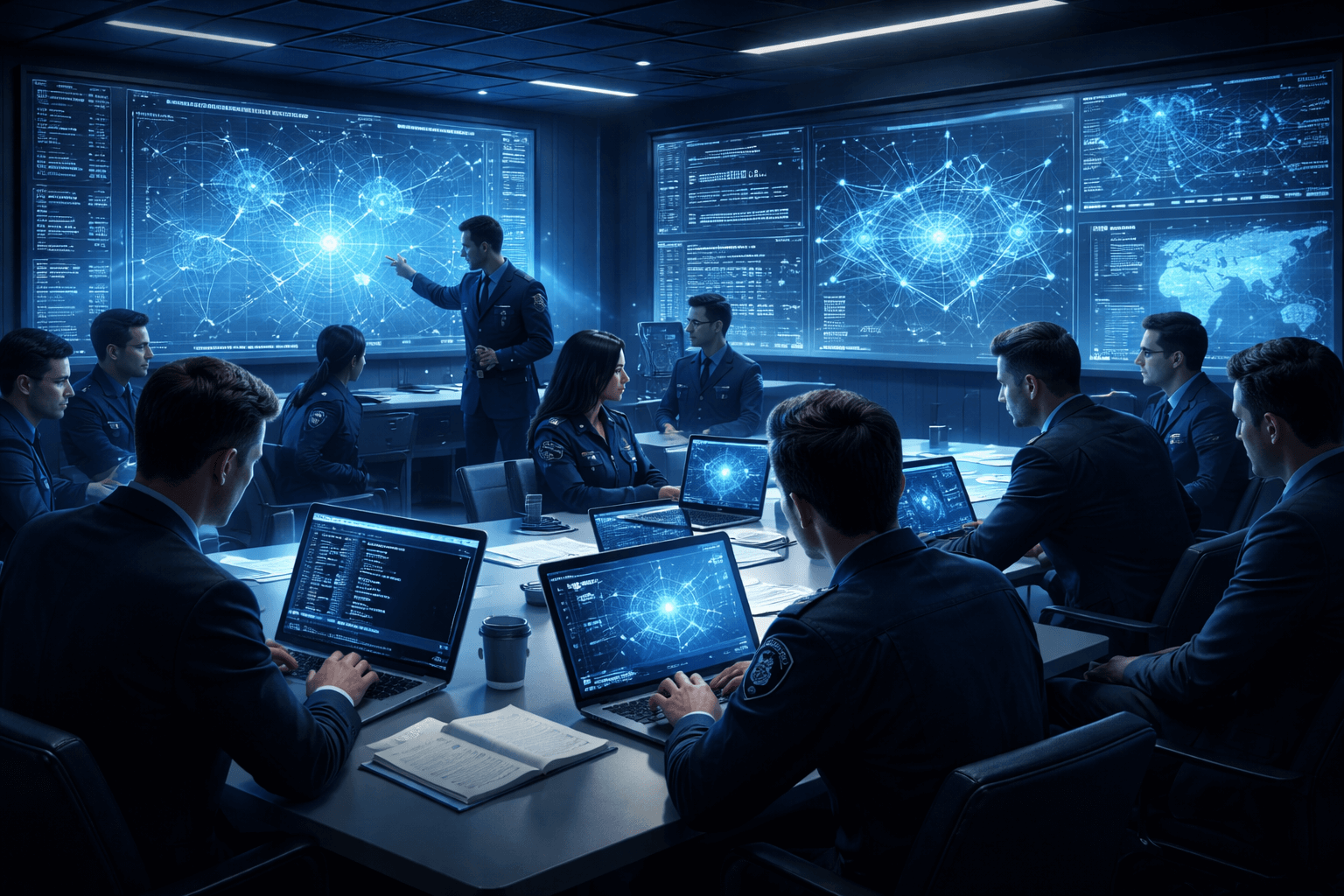
In a significant directive underscoring escalating geopolitical and economic tensions, the White House has issued a comprehensive memo to various government agencies and leading technology giants. The core mandate is clear: explore and implement robust measures to prevent China from stealing critical technology, intellectual property, and sensitive data. This move reflects a deepening concern within Washington regarding Beijing's persistent state-sponsored cyber espionage and intellectual property theft, which poses a substantial threat to US national security, economic competitiveness, and technological supremacy.
The Escalating Threat Landscape of Chinese Cyber Espionage
For years, intelligence agencies and cybersecurity experts have highlighted the extensive efforts by Chinese state-affiliated actors to infiltrate US networks, compromise government systems, and pilfer trade secrets from corporations. These activities span across vital sectors, including defense, aerospace, biotechnology, artificial intelligence, and advanced manufacturing. The objective is multifaceted: to accelerate China's own technological development, gain economic advantage, and undermine the strategic capabilities of its competitors.
The scale of this challenge is immense. Reports consistently indicate that the annual cost of intellectual property theft to the US economy runs into hundreds of billions of US Dollars. This includes not just direct monetary losses but also lost jobs, reduced innovation, and a compromised competitive edge in global markets. The White House memo acknowledges this pervasive threat, signaling a unified and aggressive approach to counter it.
Understanding China's Modus Operandi
China's approach to acquiring foreign technology and intellectual property is sophisticated and multifaceted. It encompasses traditional espionage, cyber intrusions, forced technology transfers, and the exploitation of open research environments. State-sponsored groups often leverage advanced persistent threat (APT) tactics, employing highly skilled hackers to breach secure networks. These groups are patient, persistent, and often operate with a level of impunity, making detection and attribution incredibly challenging. In some cases, as highlighted by a recent incident, a US AI giant alleges mass data theft by Chinese rivals, directly pointing to the ongoing nature of these threats.
- Cyber Intrusions: Targeted attacks on corporate networks, government databases, and research institutions to exfiltrate sensitive data.
- Human Espionage: Recruitment of insiders or placement of agents within key organizations.
- Supply Chain Exploitation: Embedding vulnerabilities or surveillance capabilities into hardware and software components used by US entities.
- Forced Technology Transfer: Requiring foreign companies to share technology as a condition for market access in China.
- Exploitation of Academic and Research Collaborations: Utilizing joint ventures and academic partnerships to gain access to cutting-edge research.
White House Directives: A United Front
The White House memo emphasizes the need for a collaborative and comprehensive strategy involving both public and private sectors. It directs federal agencies to review and update their cybersecurity protocols, enhance threat intelligence sharing, and strengthen partnerships with the private sector. For tech giants, the message is clear: increase investments in security, scrutinize supply chains, and work closely with the government to identify and neutralize threats.
Key Directives Outlined in the Memo:
- Enhanced Threat Intelligence Sharing: Foster a more seamless exchange of information regarding emerging threats and attack vectors between government agencies and tech companies. This is crucial for proactive defense and rapid response.
- Strengthening Cybersecurity Posture: Mandate stricter cybersecurity standards and practices across all government entities and critical infrastructure sectors. This includes implementing zero-trust architectures, multi-factor authentication, and continuous monitoring.
- Supply Chain Security: Develop more resilient and secure supply chains, reducing reliance on components from adversarial nations. This involves vetting suppliers rigorously and promoting domestic manufacturing where feasible.
- R&D Protection: Implement stronger safeguards for federally funded research and development projects to prevent foreign exploitation. This includes stricter background checks for researchers and enhanced digital security measures for sensitive projects.
- Policy and Regulatory Adjustments: Explore new legal and policy frameworks to deter intellectual property theft and impose harsher penalties on those involved in cyber espionage. This could involve trade restrictions, sanctions, and export controls.
- Public-Private Partnerships: Formalize and expand collaboration between government agencies (like CISA, FBI, NSA) and leading technology firms to develop joint defense strategies and share best practices.
Technological Safeguards and the Role of AI
In response to these directives, tech giants are expected to bolster their internal defenses significantly. This involves deploying advanced cybersecurity solutions, leveraging artificial intelligence and machine learning for threat detection, and investing in secure hardware and software development. The goal is to create a multi-layered defense system capable of identifying and mitigating even the most sophisticated attacks.
Artificial intelligence plays a dual role in this ongoing struggle. While AI can be exploited to enhance cyberattacks, it also offers powerful tools for defense. AI-powered security systems can analyze vast amounts of data, detect anomalous behaviors, and predict potential threats with greater accuracy and speed than human analysts alone. For instance, companies are developing sophisticated scanners that can detect AI backdoor 'sleeper agents' in large language models, a critical step in securing the foundational technologies of the future. This kind of advanced defensive AI is becoming indispensable.
Key Technological Measures:
- Endpoint Detection and Response (EDR): Advanced software to monitor and respond to threats on endpoints (computers, servers).
- Network Detection and Response (NDR): Tools that analyze network traffic for suspicious activities and anomalies.
- Zero-Trust Architectures: A security model that assumes no user or device, whether inside or outside the network, should be trusted by default.
- Encrypted Communications: Ensuring all sensitive data in transit is strongly encrypted.
- Secure Software Development Lifecycle (SSDLC): Integrating security considerations into every phase of software development.
- AI-driven Anomaly Detection: Using machine learning to identify unusual patterns in network activity, user behavior, and data access that could indicate an intrusion.
Economic and Geopolitical Ramifications
The White House's intensified focus on China's tech theft carries significant economic and geopolitical ramifications. Economically, safeguarding intellectual property is paramount for maintaining the US's innovative edge and high-paying jobs. The theft of trade secrets directly impacts companies' ability to compete, reducing their revenue and market share, and ultimately affecting the nation's GDP.
Geopolitically, this directive is another clear indicator of the widening strategic competition between the US and China. It signifies a continued push towards "decoupling" in sensitive technological areas and reinforces the narrative of a global "tech cold war." This approach might lead to increased trade barriers, export controls, and sanctions targeting Chinese entities involved in espionage. It also puts pressure on allied nations to align their policies with Washington's stance, creating complex challenges for international trade and technological collaboration.
The long-term goal is not just to prevent current theft but to deter future attempts by making the cost of such actions prohibitively high. This involves a combination of diplomatic pressure, economic sanctions, and robust defensive capabilities. The United States aims to send a clear message that intellectual property theft will not be tolerated and will be met with decisive countermeasures.
Challenges and the Path Forward
Despite the strong directive, implementing these measures effectively presents numerous challenges. The nature of cyber warfare is constantly evolving, with adversaries continuously finding new ways to exploit vulnerabilities. Attributing cyberattacks definitively can be difficult, and enforcement across national borders is complex.
Moreover, balancing national security concerns with the open exchange of scientific information, which is vital for innovation, requires careful calibration. The tech industry, while keen to protect its assets, also operates in a globalized economy and relies on international talent and supply chains. Striking the right balance between protection and openness will be critical.
The path forward will require sustained commitment, significant investment, and continuous adaptation. It necessitates a whole-of-government approach, coupled with strong, trusting partnerships between the government and the private sector. Education and awareness campaigns for employees on cybersecurity best practices will also play a crucial role, as human error often remains a significant vulnerability.
Ultimately, the White House's memo is a call to arms, signaling a new era of vigilance and proactive defense against what is perceived as a critical threat to America's future prosperity and security. The effectiveness of these measures will determine not only the fate of US technological leadership but also the broader geopolitical balance of power in the coming decades.
Suggested Articles
 General
Three Men Charged in U.S. AI Smuggling Plot to China
Three individuals face charges for allegedly conspiring to smuggle advanced U.S. artificial intelligence technology t...
Read Article arrow_forward General
IPL vs ISL: Bridging the Tech Gap with Genius Sports
Explore the technology gap between IPL and ISL and how Genius Sports can revolutionize Indian football with advanced ...
Read Article arrow_forward General
New AI Model: Unveiling Vulnerabilities Across All Systems
A groundbreaking Artificial Intelligence model emerges, capable of proactively identifying and exploiting weaknesses ...
Read Article arrow_forward
General
Check Point SecureAcademy Expands to Eight Universities
Check Point Software Technologies' SecureAcademy program is now available in eight more leading universities, strengt...
Read Article arrow_forward