

India's Growing Waste Challenge and the Rise of Innovation
India, a rapidly developing nation with a population exceeding 1.4 billion, faces an enormous challenge in managing its burgeoning waste generation and escalating pollution levels. From overflowing landfills to polluted rivers and hazardous air quality, the environmental strain is immense. The sheer volume of municipal solid waste, industrial effluent, and agricultural residue poses a significant threat to public health, ecosystems, and sustainable development. While government policies and public awareness campaigns play a role, the complexity and scale of the problem demand innovative, scalable, and localized solutions.
Enter the vibrant startup ecosystem. In recent years, a new breed of Indian entrepreneurs has emerged, driven not just by profit but by a profound commitment to environmental stewardship. These startups are leveraging technology, community engagement, and novel business models to transform waste into resources, mitigate pollution, and foster a circular economy. They are not merely addressing symptoms but are striving to create systemic changes, proving that economic growth and ecological well-being can go hand-in-hand.
This article shines a spotlight on 7 remarkable Indian startups that are not just talking about waste and pollution but are actively doing something about it, demonstrating ingenuity and impact across various sectors.
1. Recykal: Digitizing Waste Management
Revolutionizing the Recycling Value Chain
Recykal is at the forefront of digitizing India's fragmented waste management sector. Founded in 2016, this Hyderabad-based startup connects waste generators (businesses, individuals), aggregators, and recyclers through a robust digital platform. By streamlining the collection, segregation, and processing of waste, Recykal brings transparency and efficiency to a historically unorganized industry. Their platform facilitates the trade of recyclable materials like plastic, paper, metal, and e-waste, ensuring that waste is diverted from landfills and channeled into the formal recycling economy.
Recykal's innovative approach empowers individuals and businesses to responsibly dispose of their waste, while providing a consistent supply of quality raw materials to recyclers. Their solutions include collection centers, smart bins, and a digital marketplace, making recycling more accessible and economically viable. They also work with brands on Extended Producer Responsibility (EPR) compliance, helping them manage their post-consumer waste effectively. Recykal’s impact is significant, demonstrating how technology can be a powerful tool in solving complex environmental problems and creating a more circular economy.
2. Hasiru Dala Innovations: Empowering Waste Pickers
Sustainable Livelihoods and Resource Recovery
Based in Bengaluru, Hasiru Dala Innovations (HDI) stands out for its unique blend of social impact and environmental sustainability. Emerging from the non-profit Hasiru Dala, HDI focuses on integrating informal waste pickers into the formal waste management system, providing them with dignity, fair wages, and social security. They collect and process various types of waste, including dry waste, organic waste, and sanitary waste, transforming waste into valuable products.
HDI creates sustainable livelihoods for thousands of waste pickers by training them, equipping them, and ensuring ethical procurement of waste. They also innovate in converting organic waste into compost and biogas, and developing upcycled products from discarded materials. This approach not only cleans up cities but also addresses critical social equity issues, showcasing a model where environmental action directly benefits marginalized communities. Their work is a testament to the power of inclusive growth in the green economy.
3. Saahas Zero Waste: Integrated Waste Management Solutions
From Segregation to Resource Recovery
Saahas Zero Waste, also based in Bengaluru, offers comprehensive and integrated waste management services for bulk generators such as corporate campuses, residential communities, educational institutions, and public spaces. Their philosophy is simple: prevent waste from reaching landfills by focusing on source segregation, composting, recycling, and responsible disposal of residuals.
The startup provides end-to-end solutions, including setting up on-site composting facilities, managing dry waste collection and processing, and ensuring hazardous waste is handled correctly. Their operational models are designed to maximize resource recovery and minimize environmental impact. Saahas Zero Waste has been instrumental in helping many organizations achieve 'zero waste to landfill' status, setting a benchmark for efficient and sustainable waste management practices across India.
4. Skrap: Green Event Management
Making Gatherings Sustainable
Events, from concerts to conferences, often generate massive amounts of waste, much of which is avoidable or recyclable. Mumbai-based Skrap addresses this specific challenge by offering holistic waste management solutions for events of all sizes. They work with event organizers to minimize waste generation, promote reuse, and ensure proper segregation and recycling of materials.
Skrap's services include waste audits, setting up designated recycling stations, deploying trained waste managers, and partnering with responsible recyclers. They educate attendees and staff on waste segregation, ensuring that materials like plastic, paper, food waste, and e-waste are handled appropriately. By making events more sustainable, Skrap demonstrates that large gatherings can be impactful without being environmentally detrimental, proving that even temporary setups can embrace the circular economy ethos.
5. PadCare Labs: Revolutionizing Menstrual Waste Management
Hygiene and Sustainability Combined
Menstrual waste, particularly sanitary pads, poses a significant environmental and health challenge due to its non-biodegradable components and the hazardous way it's often disposed of. Pune-based PadCare Labs offers an innovative and hygienic solution to this problem. They have developed a patented 4-step process that safely collects, segregates, sterilizes, and converts used sanitary pads into reusable cellulose and plastic granules.
PadCare provides specially designed bins for collection and uses an automated process for waste treatment, ensuring no human contact with soiled pads. Their solution not only prevents millions of pads from ending up in landfills but also creates a valuable resource from them. This deep-tech approach to a critical public health and environmental issue highlights how Indian startups are tackling niche yet impactful problems. For more insights into how India is supporting its burgeoning innovation ecosystem, you can find valuable information on India's deep-tech startup policies.
6. Loopworm: Transforming Organic Waste with Insects
Bioconversion for a Greener Future
Based in Bengaluru, Loopworm is harnessing the power of nature to solve the organic waste problem. This startup uses black soldier fly larvae (BSFL) to efficiently convert organic waste, such as food waste and agricultural residues, into valuable products. The larvae consume the organic waste, dramatically reducing its volume and producing nutrient-rich frass (insect manure) and high-protein insect meal.
The insect meal serves as a sustainable alternative to traditional animal feed ingredients like fishmeal and soy, reducing pressure on marine ecosystems and agricultural land. The frass acts as an excellent bio-fertilizer, enhancing soil health. Loopworm's bioconversion technology offers a truly circular solution, addressing food waste while providing sustainable inputs for agriculture and aquaculture. Beyond urban waste, innovative approaches are also transforming other sectors. For instance, several startups are reshaping India's farm economy and the future of agritech, addressing waste from a different angle.
7. Phool.co: Upcycling Floral Waste into Sustainable Products
From Temples to Treasures
Every day, millions of kilograms of floral waste are generated from temples, mosques, and other religious institutions across India. This waste, often dumped into rivers, contributes significantly to water pollution. Kanpur-based Phool.co (meaning 'flower' in Hindi) offers an incredibly elegant solution: upcycling this floral waste into sustainable products.
Phool collects discarded flowers and transforms them into various eco-friendly products. Their flagship offerings include charcoal-free incense sticks and cones, providing a cleaner alternative for spiritual practices. More remarkably, they have pioneered 'Fleather' – a vegan leather alternative made from flower waste, offering a sustainable option for the fashion industry. Phool's innovation not only prevents river pollution but also empowers local women who are part of their production process, creating a powerful model of ecological and social enterprise.
The Broader Impact and Future Outlook
These seven startups represent just a fraction of the entrepreneurial energy dedicated to environmental solutions in India. Their diverse approaches – from digital platforms and community integration to advanced bioconversion and material innovation – collectively contribute to a monumental shift in how India perceives and manages its waste and pollution challenges. They are creating jobs, fostering local economies, and demonstrating that sustainable business models are not only possible but also profitable.
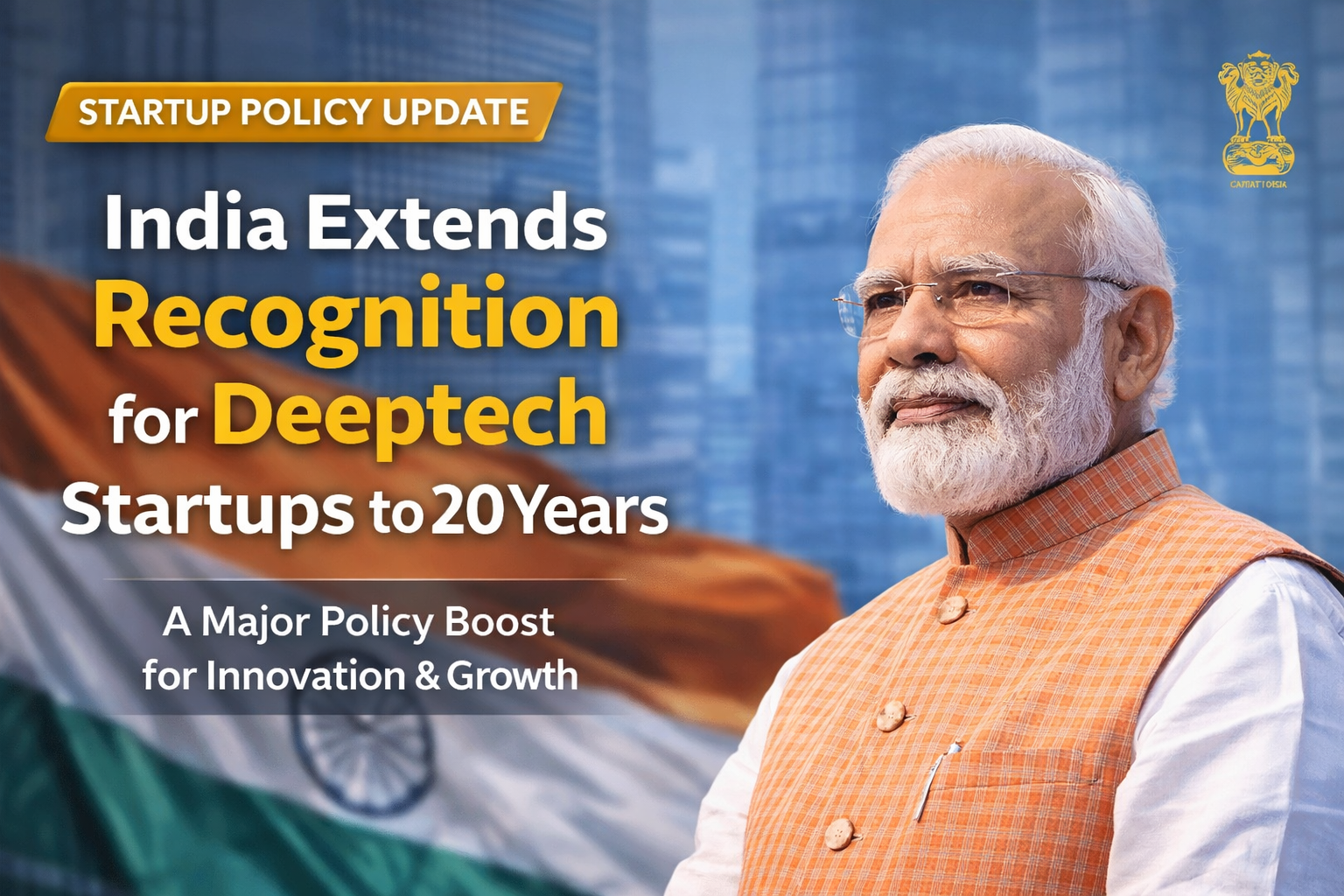
The impact extends beyond immediate waste reduction. By providing sustainable alternatives, raising awareness, and involving communities, these startups are catalyzing a larger cultural change towards environmental responsibility. They are attracting investment, inspiring further innovation, and pushing the boundaries of what's possible in a resource-constrained world. The government's proactive steps, such as extending the recognition period for deep-tech startups, play a crucial role in fostering such innovation. As India continues its journey towards economic prosperity, the role of these green startups will become increasingly vital in ensuring that growth is truly sustainable and inclusive. To stay updated with more such inspiring developments and innovative solutions, readers can explore a wide range of articles on various topics on our posts section.
Conclusion
The stories of Recykal, Hasiru Dala Innovations, Saahas Zero Waste, Skrap, PadCare Labs, Loopworm, and Phool.co offer a beacon of hope for India's environmental future. They exemplify how entrepreneurial spirit, coupled with a deep understanding of local challenges, can lead to scalable and impactful solutions. These startups are not merely cleaning up; they are building a new paradigm for resource management, demonstrating that every piece of waste can be a resource, and every environmental problem an opportunity for innovation. Their journey underscores the immense potential within India's startup ecosystem to tackle some of the world's most pressing environmental issues, paving the way for a cleaner, healthier, and more sustainable nation.
Suggested Articles
 General
The Fiery Attack on Sam Altman’s Home: A Hypothetical Unfolding
Explore a hypothetical scenario detailing a fiery attack on Sam Altman's residence, examining potential motivations r...
Read Article arrow_forward General
Startup Funding Plummets: USD 139M Raised, Down 59% YoY
ETtech Deals Digest reveals a sharp decline in startup funding, with only USD 139 million raised this week, marking a...
Read Article arrow_forward General
AI Unlocks Ancient Desert Secrets: A New Era in Archaeology
Scientists are harnessing Artificial Intelligence to decipher the enduring mysteries of ancient desert civilizations,...
Read Article arrow_forward General
Experts: WDO Reshapes Global Data Trust Through Technology
Discover how the World Data Organization (WDO) leverages advanced technologies like AI and blockchain to build and ma...
Read Article arrow_forward