


Introduction: The AI Revolution and India's Strategic Imperative
Artificial Intelligence (AI) has emerged as a profoundly disruptive and transformative technology, reshaping industries, economies, and societies worldwide. For a nation like India, with its ambitious growth trajectory and complex geopolitical landscape, AI is not merely a technological advancement but a critical determinant of its future national security. The integration of AI into military, intelligence, and civil infrastructure presents both unprecedented opportunities to bolster defense capabilities and formidable challenges in terms of new threat vectors and ethical dilemmas. India stands at a crucial juncture, navigating the dual-edged sword of AI to safeguard its interests in an increasingly digitized and interconnected world.
From enhancing surveillance and reconnaissance to automating cybersecurity defenses and enabling sophisticated disinformation campaigns, AI’s footprint on national security is expansive. Understanding this impact, and formulating a robust national strategy, is paramount for India to maintain its strategic autonomy and secure its digital and physical borders. This article delves into the multi-faceted relationship between AI and India’s national security, examining its applications, the threats it poses, and the strategic pathways India must forge to thrive in the AI era.
The Dual Nature of AI: A Force for Protection and a Vector for Threat
AI’s inherent versatility means it can be deployed for both defensive and offensive purposes, creating a dynamic and often unpredictable security environment. On one hand, AI offers immense potential to augment human capabilities, automate mundane tasks, and process vast amounts of data at speeds impossible for human analysts. This translates into more efficient intelligence gathering, superior logistical support, and advanced decision-making tools for defense forces.
On the other hand, malicious actors can leverage AI to create more sophisticated cyberattacks, autonomous weapons systems, and highly personalized propaganda. The ease with which AI tools can be accessed and adapted means that state and non-state actors alike can develop powerful new capabilities, democratizing warfare and blurring the lines between traditional and digital conflicts. This dual-use nature necessitates a comprehensive and adaptive approach to AI governance and development within the national security framework.
AI in Defense Modernization: Enhancing India's Military Edge
The application of AI in defense is transforming every aspect of military operations, from the battlefield to the command center. India, recognizing this shift, is actively exploring and investing in AI-driven defense technologies:
- Surveillance and Reconnaissance: AI algorithms can analyze satellite imagery, drone footage, and sensor data to detect patterns, identify threats, and monitor borders with unprecedented accuracy and speed. This significantly enhances situational awareness for military commanders.
- Predictive Maintenance: AI can predict equipment failures in military hardware – from aircraft to tanks – enabling proactive maintenance and reducing downtime, thereby increasing operational readiness and saving millions of INR in repair costs.
- Autonomous Systems: Unmanned aerial vehicles (UAVs), ground vehicles, and underwater drones, powered by AI, can perform dangerous missions, conduct reconnaissance, and even engage targets with reduced risk to human life. The development of ethical guidelines for "killer robots" remains a global challenge.
- Logistics and Supply Chain Optimization: AI can optimize complex military supply chains, predicting demand, managing inventory, and ensuring timely delivery of critical resources to frontline troops.
- Cybersecurity and Electronic Warfare: AI-powered systems can detect and respond to cyber threats in real-time, identify anomalies in networks, and even develop new cyberattack strategies, enhancing both defensive and offensive capabilities in the digital domain.
- Command and Control: AI can assist commanders by processing vast amounts of battlefield data, suggesting optimal strategies, and improving decision-making under pressure.
By integrating these AI capabilities, India aims to build a "smart" military that is more agile, resilient, and effective in modern warfare scenarios.
Cybersecurity & AI-Powered Threats: A New Frontier of Warfare
While AI offers defensive boons, it also fuels a new generation of cyber threats that pose direct challenges to national security. The sophistication of AI-driven cyberattacks is rapidly escalating:
- Advanced Persistent Threats (APTs): AI can enable attackers to craft more evasive and persistent attacks, learning from network defenses and adapting their tactics in real-time to penetrate critical infrastructure.
- Automated Malware Generation: AI can generate polymorphic malware that constantly changes its signature, making it difficult for traditional antivirus software to detect.
- Deepfakes and Disinformation Campaigns: Perhaps one of the most insidious threats, AI-generated deepfakes can create highly realistic but entirely fabricated audio, video, and images. These can be used to spread misinformation, destabilize political systems, incite social unrest, or even manipulate public opinion during critical national events. The proliferation of such content necessitates robust regulatory frameworks, as seen in India's new AI law aimed at deepfake moderation and the broader IT rules amendment.
- Exploitation of AI Systems: AI models themselves can become targets. Adversaries could "poison" training data, introduce backdoors, or exploit vulnerabilities to compromise critical AI-powered systems, leading to biased decisions or catastrophic failures. The efforts by entities like Microsoft to detect "sleeper agents" and vulnerabilities within AI systems underscore this growing concern.
Protecting critical national infrastructure, government networks, and military systems from these evolving AI-powered cyber threats is a paramount concern for India's national security apparatus. This requires continuous investment in AI-driven defensive cybersecurity solutions and a proactive stance against emerging attack vectors.
Geopolitical Implications & the Global AI Race
The race for AI dominance has become a new frontier in geopolitical competition. Nations are investing heavily in AI research and development, not just for economic gain but for strategic advantage. This global contest has several implications for India:
- Technological Sovereignty: Relying on foreign AI technologies, especially in sensitive defense and intelligence sectors, can create strategic vulnerabilities. India needs to develop its indigenous AI capabilities to ensure technological sovereignty and avoid dependency.
- Data Theft and Espionage: The immense value of data in training AI models makes it a prime target for state-sponsored cyber espionage. Concerns about mass data theft by rival nations highlight the critical need for robust data security protocols and counter-intelligence measures.
- Shifting Power Dynamics: Nations with superior AI capabilities may gain significant advantages in military, economic, and diplomatic spheres, potentially altering the global balance of power. India must ensure it remains a competitive player in this technological arms race.
- International Collaboration and Norms: Establishing international norms and ethical guidelines for AI, particularly in military applications, is crucial. India must actively participate in global forums to shape these discussions and prevent an unchecked AI arms race.
India's foreign policy and defense strategy must account for these geopolitical shifts driven by AI, fostering strategic alliances while protecting national interests.
Ethical, Legal, and Social Challenges
Beyond the direct security implications, AI raises profound ethical, legal, and social questions that indirectly impact national stability and security:
- Bias and Discrimination: If AI systems are trained on biased data, they can perpetuate or even amplify existing societal biases, leading to unfair outcomes in areas like law enforcement, surveillance, or resource allocation, potentially causing social unrest.
- Accountability for Autonomous Actions: Determining accountability when autonomous AI systems cause harm or make critical errors in military or civilian contexts is a complex legal challenge.
- Impact on Employment: AI's ability to automate tasks could lead to significant job displacement in various sectors. While this might boost productivity in the long run, large-scale unemployment or skills mismatch could lead to social instability, posing an indirect national security risk.
- Privacy Concerns: Extensive AI-powered surveillance, while beneficial for security, raises significant privacy concerns for citizens, necessitating a balance between security and individual freedoms.
- The Need for Robust Governance: The rapid pace of AI development often outstrips the ability of legal and regulatory frameworks to keep up. India needs a proactive approach to AI governance, including the recent notification of IT Rules amendment to regulate AI-generated content, to ensure responsible deployment and mitigate risks.
Addressing these challenges requires a multi-stakeholder approach involving government, industry, academia, and civil society to develop comprehensive policies and ethical guidelines.
India's Strategic Response: Building Resilience in the AI Age
To effectively navigate the complexities of AI and national security, India is adopting a multi-pronged strategic approach:
- Investing in Indigenous R&D: Promoting domestic research and development in critical AI technologies is essential to reduce reliance on foreign entities and foster technological self-reliance. This includes funding cutting-edge research in areas like explainable AI, robust AI, and AI ethics.
- Developing AI Talent Pool: Investing in education and skill development to create a large pool of AI researchers, engineers, and ethicists is crucial. Collaborations between academic institutions and defense establishments can bridge the talent gap.
- Public-Private Partnerships (PPPs): Fostering collaboration between government agencies, defense organizations, and private sector AI companies can accelerate the development and deployment of secure and advanced AI solutions.
- International Cooperation: Engaging with like-minded nations to establish international norms, share best practices, and collaborate on AI research and development can enhance collective security against AI threats.
- Robust Regulatory and Ethical Frameworks: Developing clear legal and ethical guidelines for the responsible development and deployment of AI, especially in sensitive areas like defense and surveillance, is critical. This includes addressing issues of accountability, bias, and data privacy.
- Building AI Resilience: Ensuring that critical national infrastructure is resilient against AI-powered cyberattacks and that AI systems themselves are secure and trustworthy. This involves auditing AI models for vulnerabilities and implementing fail-safe mechanisms.
- Strategic Foresight: Continuously monitoring global AI developments and anticipating future threats and opportunities to adapt national strategies proactively.
Conclusion: Charting a Secure Future with AI
Artificial Intelligence represents an unparalleled opportunity for India to enhance its national security, modernize its defense capabilities, and project its influence on the global stage. However, it also presents an array of complex threats, from sophisticated cyberattacks and disinformation campaigns to the ethical dilemmas of autonomous systems. India’s ability to harness the full potential of AI while effectively mitigating its risks will be a defining factor in its journey towards becoming a resilient and secure nation.
By prioritizing indigenous development, fostering strategic partnerships, investing in talent, and establishing robust ethical and regulatory frameworks, India can ensure that AI serves as a powerful tool for safeguarding its national interests and promoting peace and stability in a rapidly evolving world. The future of India’s national security is inextricably linked to its strategic vision and execution in the realm of Artificial Intelligence.
Suggested Articles
 General
India's B2B Startups Navigate a Growing Debt Challenge
Indian B2B startups are increasingly relying on debt for growth, raising concerns about financial stability and long-...
Read Article arrow_forward
General
Anthropic Products Fully Operational After Brief Outage
Anthropic's AI products, including Claude, are fully operational following a brief service disruption, highlighting t...
Read Article arrow_forward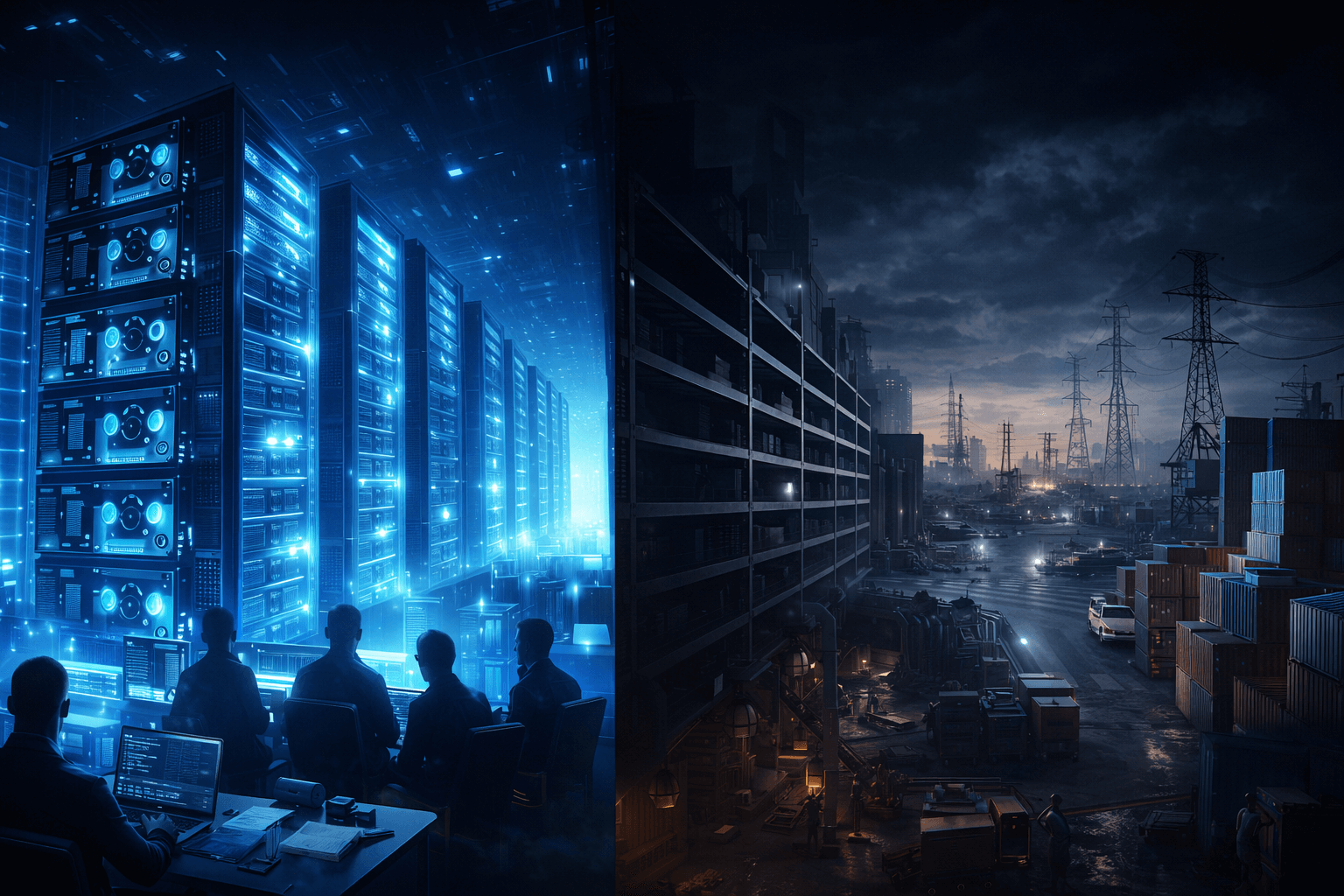 General
Data Trails: AI Reshaping India's Lending Landscape
Discover how Artificial Intelligence is revolutionizing the borrowing process in India, leveraging diverse data to fo...
Read Article arrow_forward
General
Rapid AI for Oral Cancer: Non-Invasive, Early Diagnosis
Discover how artificial intelligence is transforming oral squamous cell carcinoma diagnosis with rapid, non-invasive ...
Read Article arrow_forward