

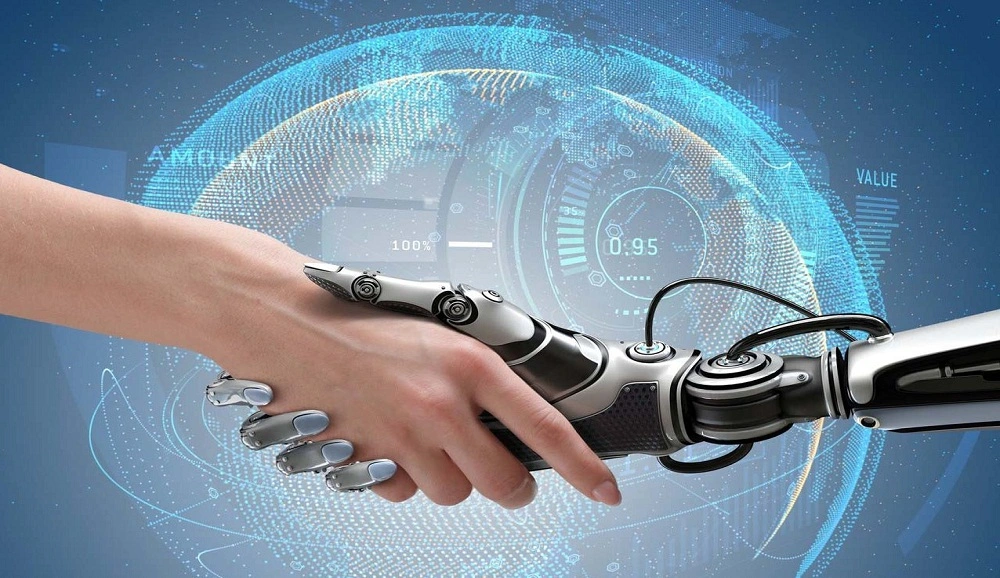
The Shifting Narrative of AI and Work: From Fear to Opportunity
For years, the advent of Artificial Intelligence was met with a mix of awe and apprehension. Prophecies of widespread job displacement, automation taking over human tasks, and an uncertain future for the global workforce dominated headlines. While these concerns remain valid in certain sectors, a quieter, yet equally significant, shift is occurring, particularly within the United States: AI is not just replacing jobs, it’s actively proliferating a new wave of side gigs and entrepreneurial opportunities, rewriting its own prophecy in the process.
The initial narrative often focused on AI's potential to automate repetitive tasks, leading to efficiency gains but also job losses in manufacturing, customer service, and administrative roles. However, as AI tools become more accessible and sophisticated, they are simultaneously empowering individuals to leverage these technologies for personal gain, creating flexible income streams that were once unimaginable. This emerging phenomenon is transforming the US gig economy, offering a fresh perspective on the human-AI collaboration.
Revisiting the “AI Prophecy”
The early prognostications about AI's impact on employment were stark. Reports from various think tanks and economic institutions predicted that millions of jobs would be automated away by the mid-21st century. While some industries have indeed seen significant changes due to automation, the reality on the ground is proving to be more nuanced. Instead of a wholesale replacement of human labor, AI is increasingly acting as an enabler, a powerful co-pilot for individuals seeking to augment their skills, boost productivity, and diversify their income portfolios.
This is particularly evident in the US, where the gig economy has already established a strong foothold. Platforms for freelancing, ride-sharing, and delivery services have paved the way for flexible work arrangements. AI is now layering another dimension onto this existing structure, providing tools that reduce the barriers to entry for many types of work and enhance the capabilities of individual workers. This pivot from a predominantly job-displacement narrative to one of job-creation and enhancement, especially in the realm of side gigs, is a testament to the dynamic and often unpredictable nature of technological evolution.
The Ascent of AI-Powered Side Gigs
The proliferation of user-friendly AI tools has democratized capabilities once reserved for specialized professionals. From sophisticated content generation to complex data analysis, AI is putting powerful new instruments into the hands of everyday individuals. This accessibility has fueled a boom in side gigs across various sectors:
1. Content Creation and Curation
- AI-Assisted Writing: Tools like ChatGPT and other large language models (LLMs) have made it possible for individuals to generate articles, blog posts, marketing copy, and even creative fiction at an unprecedented speed. Gig workers can now take on more writing assignments, offer editing services that incorporate AI suggestions, or even specialize in refining AI-generated drafts.
- Image and Video Generation: AI art generators (e.g., Midjourney, DALL-E) and video editing tools (e.g., runwayml) allow individuals with minimal graphic design or video production experience to create compelling visuals. This opens up opportunities for designing social media content, website graphics, illustrations for e-books, and short promotional videos for small businesses.
- Music and Audio Production: AI-powered music composition and audio editing software enables aspiring musicians and podcasters to produce high-quality content without extensive technical training or expensive equipment.
2. Prompt Engineering and AI Consulting
As AI becomes more integral to businesses and individuals, the skill of 'prompt engineering' – crafting effective queries to get optimal results from AI models – has emerged as a valuable service. Gig workers who master this can offer their expertise to others struggling to harness AI effectively. Additionally, some individuals are offering consulting services, advising businesses on how to integrate AI tools into their operations, a niche that barely existed a few years ago.
3. Data Annotation and Validation
Behind every sophisticated AI model is a massive dataset, meticulously labeled and validated. This labor-intensive process often relies on human input. Gig platforms frequently post tasks for data annotation, image labeling, audio transcription, and content moderation – all crucial for training and improving AI algorithms. These tasks offer flexible work opportunities for individuals looking for consistent, albeit often micro, income streams.
4. Automated Services and Digital Marketing
AI tools can automate various routine business processes, from email management to social media scheduling and customer service chatbots. Gig workers can specialize in setting up, customizing, and managing these AI-driven automation solutions for small to medium-sized businesses that lack in-house expertise. This aligns well with the growing digital marketing sector, which continues to see substantial growth, as highlighted by reports predicting the digital marketing software market to reach USD 248 billion. Leveraging AI, gig workers can offer more efficient and targeted digital marketing campaigns.
5. Personalized Learning and Tutoring
AI can create personalized learning paths and generate practice questions. Tutors can use AI to develop customized educational materials or provide more efficient feedback to students, augmenting their traditional services. This blend of human expertise and AI efficiency enhances the value proposition for both tutors and learners.
Benefits for the Gig Workforce
The rise of AI-powered side gigs offers several compelling benefits for individuals in the US:
- Increased Accessibility: AI lowers the barrier to entry for many tasks, allowing individuals without specialized degrees or extensive experience to participate in the digital economy.
- Flexibility and Autonomy: Most AI-powered gigs can be performed remotely and on a flexible schedule, appealing to those seeking work-life balance, supplementary income, or who face traditional employment barriers.
- Skill Development: Engaging with AI tools for work naturally fosters new digital literacy and critical thinking skills, preparing individuals for an increasingly automated future.
- Income Diversification: For many, these side gigs provide a crucial second or third income stream, offering financial resilience in an unpredictable economic landscape.
- Innovation and Entrepreneurship: AI empowers individuals to launch small businesses or unique service offerings with minimal upfront investment, fostering a new wave of micro-entrepreneurs.
Challenges and Considerations
Despite the promise, the AI-driven gig economy is not without its challenges:
- Quality Control: While AI can generate content rapidly, human oversight is still crucial for ensuring accuracy, originality, and adherence to specific brand voices or ethical guidelines.
- Ethical Implications: Concerns around data privacy, algorithmic bias, and the potential misuse of AI-generated content remain pressing issues that gig workers must navigate.
- Market Saturation and Competition: As more people adopt AI tools, the market for certain services could become saturated, potentially driving down prices for basic tasks.
- The Human Element: The ability to infuse creativity, critical thinking, emotional intelligence, and nuanced understanding remains a uniquely human advantage. Successful AI-powered gig workers will be those who blend AI efficiency with human insight. As our gadgets begin to truly understand human language, the demand for human interpreters and refiners of AI output will only grow.
- Regulatory Landscape: The legal and regulatory frameworks for AI-generated content and services are still evolving, leading to potential uncertainties for gig workers.
Economic Impact in the US
The proliferation of AI-powered side gigs contributes significantly to the US economy by fostering innovation, increasing individual financial autonomy, and potentially creating a more resilient workforce. It allows a broader segment of the population to participate in the digital economy, moving beyond traditional employment models. While the overall impact of AI on jobs remains a complex and debated topic globally, with some regions like India facing risks of AI-driven job shocks, the US narrative is increasingly leaning towards AI as an amplifier of individual capabilities and an incubator for new micro-enterprises. This shift doesn't negate the need for ongoing workforce reskilling and adaptation, but it offers a powerful counter-narrative to pure job displacement.
The Future Outlook: A Symbiotic Relationship
The relationship between AI and the future of work is undeniably complex. However, the emerging trend in the US suggests a more symbiotic future than initially feared. AI is evolving from a mere tool of automation into a sophisticated assistant, empowering individuals to operate with greater efficiency, creativity, and reach. The 'AI prophecy' is indeed rewriting itself, not as a dystopian tale of human obsolescence, but as a narrative of enhanced human potential and diversified economic opportunity.
As AI technologies continue to advance, the landscape of side gigs will undoubtedly evolve further. New roles will emerge that we can barely conceive of today, requiring a continuous commitment to learning and adaptability. For individuals in the US, embracing AI as a partner in their entrepreneurial endeavors and side hustles will be key to unlocking new avenues for income and personal growth in the coming years. The future of work, it seems, is not just about adapting to AI, but actively leveraging it to build a more flexible, empowered, and innovative workforce.
Suggested Articles
 General
India's $300bn Outsourcing Industry: AI Threat or Opportunity?
India's vast outsourcing sector faces an AI revolution. Will it lead to job displacement or propel the industry to ne...
Read Article arrow_forward General
Cadence & Nvidia Partner to Accelerate AI in Robotics
Semiconductor giant Cadence and AI leader Nvidia are joining forces to advance AI development for next-generation rob...
Read Article arrow_forward
General
CoRover & Intel Demo BharatGPT: Offline AI on Ultra Series 3
CoRover.ai and Intel have unveiled BharatGPT, an AI agent capable of operating entirely offline, powered by Intel's U...
Read Article arrow_forward
General
Big Tech`s $600 billion spending plans exacerbate investors` AI headache
Read Article arrow_forward