


The Unprecedented Influence of Modern Tech Oligarchs
In the annals of history, figures like the Rockefellers, Carnegies, and Vanderbilts stand as titans of industry, their fortunes and influence shaping the very fabric of nations. Yet, as we navigate the 21st century, a new breed of billionaire has emerged—the tech oligarchs—whose reach and power make their industrial predecessors seem almost quaint. These digital czars, born from the crucible of innovation and fueled by the relentless march of technology, are not merely accumulating wealth; they are actively reshaping human society, culture, and our collective future in ways that were once unimaginable.
The distinction lies not just in the sheer scale of their wealth, which often dwarfs that of historical figures even when adjusted for inflation, but in the nature of their empires. Old money derived its power from tangible assets: railroads, oil fields, steel mills. Modern tech wealth is built on intangible assets: data, algorithms, network effects, and the very digital infrastructure that underpins contemporary life. This fundamental difference grants today's tech titans an unparalleled ability to influence, disrupt, and redefine the human experience, often with a speed and breadth that leaves traditional institutions struggling to keep pace.
The Genesis of Digital Dynasties: Innovation and Disruption
The rise of tech oligarchs began in garages and dorm rooms, driven by audacious visions and a fierce belief in the power of technology to solve problems and connect people. Companies like Microsoft, Apple, Google, Amazon, Meta (Facebook), and Tesla didn't just create new products; they forged entirely new industries and paradigms. Their founders—Bill Gates, Steve Jobs, Larry Page, Sergey Brin, Jeff Bezos, Mark Zuckerberg, and Elon Musk, among others—became household names, not just for their wealth, but for their perceived genius and transformative impact.
Their ascent was characterized by:
- Radical Innovation: Introducing breakthrough technologies like personal computers, the internet search engine, e-commerce, social networking, and electric vehicles.
- Network Effects: Building platforms where every new user adds value to existing users, leading to exponential growth and dominance.
- Data Accumulation: Monetizing the vast amounts of user data, which serves as a critical resource for AI development, targeted advertising, and predictive analytics.
- Global Scale: Operating on a planetary scale from day one, unhindered by geographical borders in the way traditional industries often were.
This potent combination has allowed them to capture vast swathes of human attention, commerce, and communication, granting them an influence that extends far beyond mere economic might.
Reshaping Economies and Industries Through AI and Automation
The economic footprint of tech oligarchs is staggering. Their companies command market capitalizations in the trillions of USD, their revenues often exceeding the GDP of small nations. They are not merely players in the global economy; they are its architects, dictating trends, setting standards, and driving an accelerated pace of change that leaves traditional industries scrambling to adapt.
One of the most profound shifts they are catalyzing is the AI revolution. Investments in artificial intelligence, machine learning, and automation by these tech giants are fundamentally altering labor markets, supply chains, and business models. Autonomous vehicles, AI-powered customer service, algorithmic trading, and advanced robotics are just a few examples of how these technologies, championed and funded by tech oligarchs, are redesigning work and value creation.
However, this transformation comes with its own set of challenges. The specter of AI-driven job shock, particularly in economies like India, is a pressing concern. As AI systems become more sophisticated, questions arise about the future of human employment and the need for new economic safety nets. The ability of a few companies to dictate the future of work for millions grants their leaders immense de facto power over global societal well-being.
The Profound Societal and Cultural Impact
Beyond economics, tech oligarchs have fundamentally rewritten the rules of human interaction, information dissemination, and cultural consumption. Social media platforms, the creations of these titans, have become the de facto public squares of the 21st century. They influence elections, shape public opinion, and mediate personal relationships. The pervasive nature of these platforms has led to global discussions, such as the global push to ban teens from social media, highlighting the profound societal implications of unchecked technological influence.
The cultural landscape has been similarly transformed. Streaming services, online gaming, and personalized content algorithms dictate what we watch, listen to, and read. The 'creator economy,' empowered by these platforms, has democratized content creation but also centralized its distribution, giving immense power to the gatekeepers.
The Double-Edged Sword of Connectivity
While the internet and digital platforms have brought unprecedented connectivity and access to information, they have also ushered in new societal challenges:
- Echo Chambers and Polarization: Algorithms designed to maximize engagement can inadvertently reinforce existing biases and deepen societal divides.
- Mental Health Concerns: The constant connectivity and curated realities presented on social media have been linked to rising rates of anxiety, depression, and loneliness, especially among younger generations.
- Misinformation and Disinformation: The speed and scale of information sharing make it incredibly difficult to combat the spread of false narratives, with potentially catastrophic real-world consequences.
- Erosion of Privacy: The business models of many tech companies rely on collecting vast amounts of personal data, raising significant concerns about surveillance and data security.
Beyond Earth: The Quest for New Frontiers
Unlike old money, which largely focused on earthly endeavors, many tech oligarchs are setting their sights on the cosmos. Figures like Elon Musk (SpaceX) and Jeff Bezos (Blue Origin) are investing billions in space exploration, not just for scientific advancement but with ambitious visions of colonizing other planets and establishing a multi-planetary civilization. This audacious goal represents a profound shift in the aspirations of the super-rich, moving beyond mere accumulation of wealth to reshaping humanity's very existence and future trajectory.
Similarly, significant investments are pouring into biotechnology, anti-aging research, and even attempts to “upload” consciousness. These ventures, often driven by the tech elite, seek to redefine the limits of human life itself, blurring the lines between science fiction and reality.
The Regulatory Frontier and the Battle for Control
The immense power wielded by tech oligarchs has not gone unnoticed by governments and regulatory bodies worldwide. Concerns over market monopolization, data privacy, censorship, and the societal impact of AI have led to calls for greater oversight. Laws and regulations are slowly beginning to catch up with technological advancement, with significant implications for the future of tech companies.
For instance, India's new AI law is an example of global efforts to regulate AI-generated content and moderate social media, reflecting a growing recognition that the digital sphere cannot remain an unregulated Wild West. However, the global nature of these tech giants and the rapid pace of innovation pose immense challenges for national governments attempting to exert control.
The debate is multifaceted, encompassing:
- Antitrust Concerns: Breaking up monopolies to foster competition.
- Data Governance: Establishing clear rules for data collection, usage, and protection (e.g., GDPR).
- Content Moderation: Balancing free speech with the need to combat misinformation and harmful content.
- AI Ethics: Developing frameworks for responsible AI development and deployment, addressing biases, transparency, and accountability.
Conclusion: A New Era of Influence and Responsibility
The transformation driven by tech oligarchs is undeniably profound. They have democratized access to information, facilitated global communication, and spurred innovation at an unprecedented rate. Yet, their concentrated power and the nature of the technologies they control present equally profound challenges regarding equity, privacy, mental health, and democratic governance.
Unlike the industrialists of old who built physical empires, today's tech titans are shaping the very digital fabric of our lives, influencing our thoughts, choices, and future possibilities. The question is no longer whether they will reshape humanity, but rather, how we, as a global society, will navigate this new landscape to ensure that their immense power serves the common good and not merely the interests of a select few. The quaint empires of the past have given way to a future where human destiny is increasingly intertwined with the visions and algorithms of a handful of tech visionaries and their colossal companies.
Suggested Articles
 General
OpenClaw: China's AI Ambition and Global Impact
Explore China's aggressive 'OpenClaw' strategy in Artificial Intelligence, its vast investments, technological prowes...
Read Article arrow_forward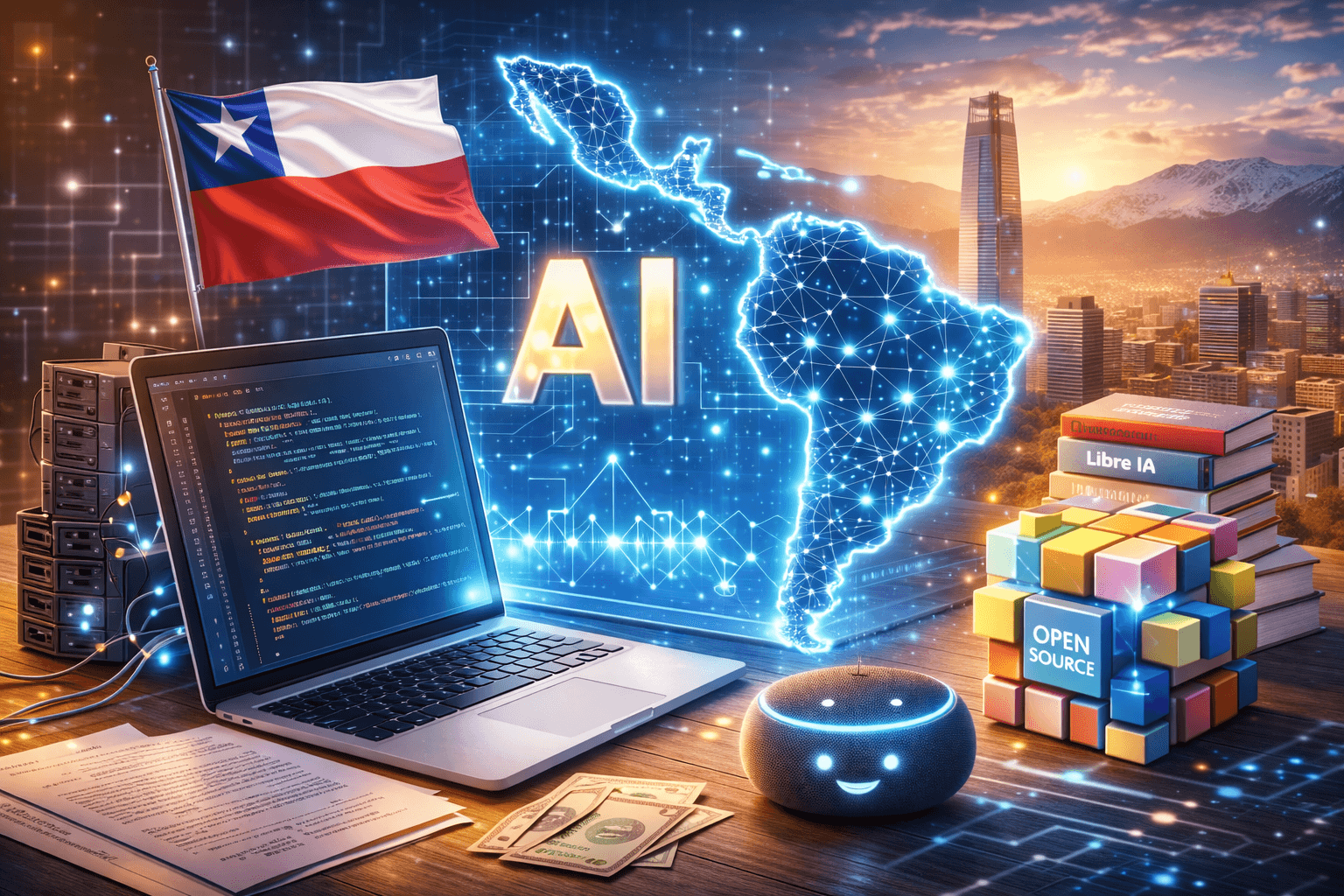 Artificial Intelligence
Chile Launches Open-Source AI Model Designed for Latin America
Chile launches an open-source AI model tailored for Latin America, focusing on Spanish optimization, regional innovat...
Read Article arrow_forward General
Literary World Grapples with AI: Can Publishers Detect Automated Books?
The literary world faces an unprecedented challenge as AI-written books flood submissions. Publishers struggle to dif...
Read Article arrow_forward General
Govt Issues New Guidelines for Fund of Funds Scheme to Boost Startups
India's government releases detailed guidelines for the second tranche of its Fund of Funds for Startups (FFS) scheme...
Read Article arrow_forward