

India's Growing Ambition in Space Security
In an era defined by increasing geopolitical complexities and a rapidly militarizing space domain, India is making a strategic move to secure its vital assets in orbit. The nation is actively tapping into its vibrant private space startup ecosystem to develop and launch what are colloquially known as ‘bodyguard’ satellites. This initiative marks a significant pivot towards enhancing India’s capabilities in Space Situational Awareness (SSA), on-orbit servicing, and potentially, active defence mechanisms for its critical space infrastructure. It underscores India's commitment to self-reliance and its ambition to become a formidable player in the global space economy and security landscape.
The concept of 'bodyguard' satellites is not new globally, but India's approach, leveraging its agile and innovative startup sector, presents a unique model. These satellites are designed to monitor, protect, and in some scenarios, physically interact with other satellites to ensure their safety and operational continuity. This could involve everything from tracking orbital debris and identifying potential threats to providing maintenance and even de-orbiting malfunctioning spacecraft. The implications for national security, economic stability, and technological sovereignty are immense, positioning India to safeguard its digital future and strategic interests.
The Imperative for Space-Based Security
The space domain, once perceived as a peaceful frontier for scientific exploration, has evolved into a critical theatre for economic competition and strategic rivalry. Nations worldwide are increasingly dependent on satellite infrastructure for a myriad of essential services, including telecommunications, navigation (like GPS), weather forecasting, disaster management, and military intelligence. Any disruption to these services, whether accidental or intentional, can have devastating consequences.
Escalating Threats in Orbit
- Space Debris: Millions of pieces of orbital debris, ranging from defunct satellites to discarded rocket parts, pose a constant threat of collision to operational spacecraft. Even a small piece of debris can cause catastrophic damage due to the extreme velocities in orbit.
- Hostile Intent: A growing concern is the potential for adversarial actions by state and non-state actors. This includes jamming communication signals, cyberattacks on satellite systems, and even the development of anti-satellite (ASAT) weapons that can destroy or incapacitate other satellites.
- Congestion: The sheer number of satellites being launched, especially mega-constellations for internet connectivity, is leading to increased congestion in popular orbital paths, raising the risk of accidental collisions and making space traffic management more challenging.
Against this backdrop, the development of 'bodyguard' satellites becomes not just a technological advancement but a strategic necessity. These sentinels in space can provide real-time monitoring, early warning systems, and potential countermeasures, significantly enhancing the resilience and survivability of India's space assets.
India's Thriving Private Space Sector: A Game Changer
For decades, India's space program was synonymous with the Indian Space Research Organisation (ISRO), a government entity that achieved remarkable feats with limited resources. However, in recent years, the Indian government has initiated transformative reforms aimed at opening up the space sector to private participation. This liberalization has unleashed a wave of innovation, leading to the rapid growth of a dynamic private space ecosystem.
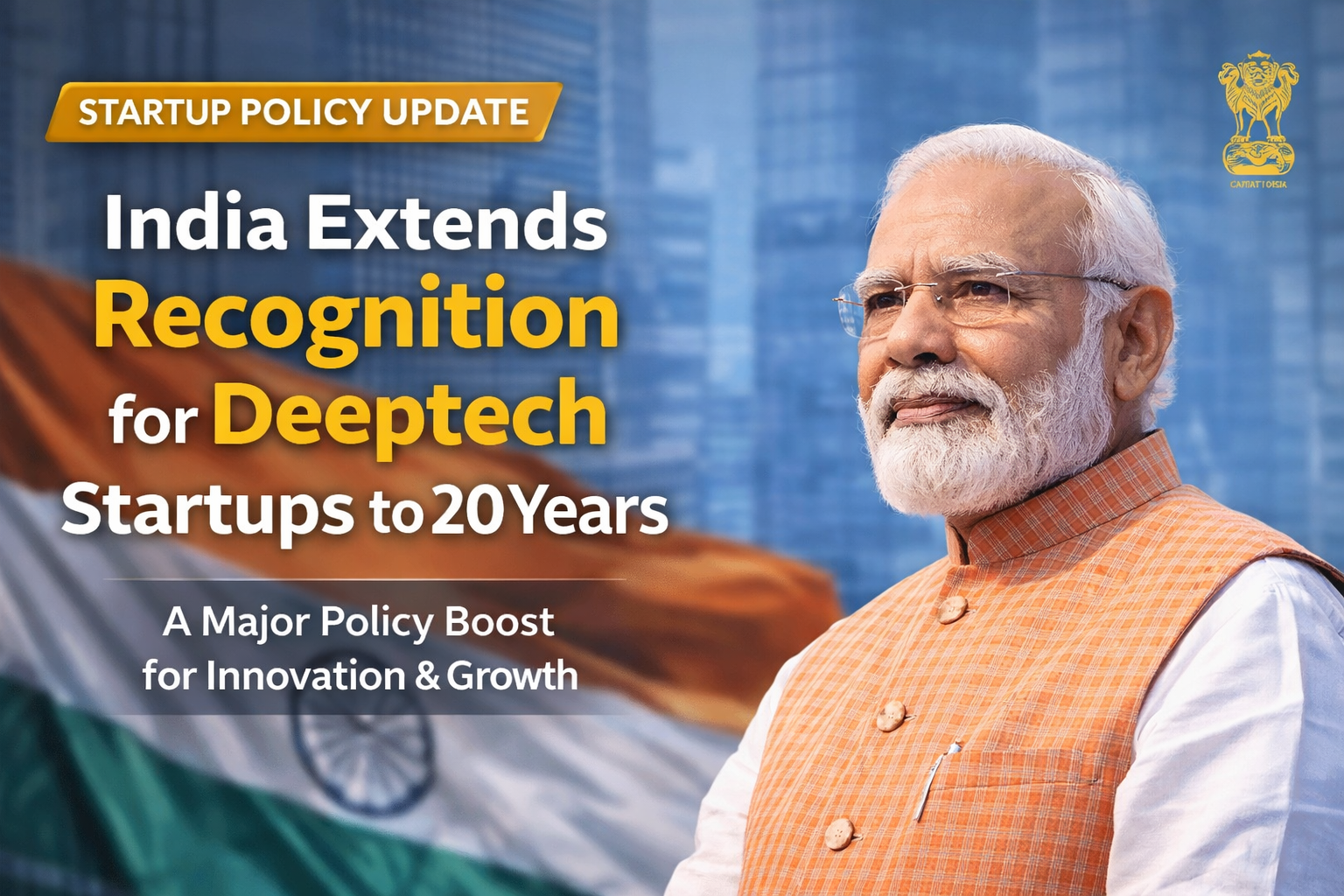
Startups are now at the forefront, pushing boundaries in satellite manufacturing, launch services, propulsion systems, data analytics, and ground infrastructure. This shift is not just about increasing capacity but about fostering a culture of agility, cost-effectiveness, and rapid technological development that is often challenging for large government organizations to achieve alone. The government's emphasis on fostering indigenous capabilities aligns perfectly with these emerging private players. For instance, the recent policy change extending the recognition period for deeptech startups to 20 years is a testament to India's commitment to nurturing long-term innovation in critical sectors like space.
Key Drivers of the Private Space Boom:
- Government Support: Policies promoting private sector involvement, establishment of IN-SPACe as a single-window agency for industry interaction, and allocation of budget for private space projects.
- Talent Pool: India boasts a vast pool of highly skilled engineers and scientists, many with experience in ISRO or global space companies, now venturing into entrepreneurship.
- Technological Advancements: Miniaturization of electronics, advancements in propulsion, and the rise of Artificial Intelligence (AI) and machine learning are lowering barriers to entry and enabling new applications.
- Investment Climate: Growing interest from domestic and international venture capitalists in India's space tech potential, recognizing its strategic importance and market opportunities.
This fertile ground is now yielding specialized startups capable of developing sophisticated technologies required for 'bodyguard' satellites, moving beyond conventional satellite manufacturing to advanced orbital services.
The Role of Startups in Developing 'Bodyguard' Satellites
The agility and innovation inherent in startups make them ideal candidates for pioneering the complex technologies required for 'bodyguard' satellites. Unlike larger, more bureaucratic organizations, startups can rapidly iterate designs, adopt cutting-edge techniques, and focus on niche, high-tech solutions. This translates into faster development cycles and more cost-efficient solutions, critical for an evolving domain like space security.
Technological Pillars for Orbital Guardians:
- Advanced Sensors and Imaging: Startups are developing highly sensitive cameras, radar systems, and other sensors capable of tracking objects as small as 10 cm in low Earth orbit from thousands of kilometers away. This is crucial for Space Situational Awareness (SSA), enabling real-time monitoring of potential threats and debris.
- AI and Machine Learning for Anomaly Detection: Artificial intelligence is at the heart of making these 'bodyguard' satellites smart. AI algorithms can analyze vast amounts of telemetry data, predict orbital trajectories, detect anomalous behaviour (e.g., unexpected maneuvers by other satellites), and even automate evasive actions. The growing collaboration between Indian IT giants and AI pioneers like OpenAI and Anthropic underscores the nation's increasing focus on AI-led growth, which has direct applications in complex space operations.
- Precision Propulsion and Maneuvering Systems: For a 'bodyguard' satellite to perform its duties, it needs highly precise and efficient propulsion systems. This includes electric propulsion (ion thrusters) for long-duration missions and agile chemical thrusters for rapid orbital changes. Startups are innovating in compact, high-performance propulsion units suitable for smaller satellites.
- Robotics and On-Orbit Servicing: A more advanced aspect involves robotic arms and docking mechanisms for on-orbit servicing, repair, refueling, and even active removal of space debris or defunct satellites. While still an emerging field, Indian startups are beginning to explore these capabilities, which are essential for true orbital guardianship.
- Secure Communication Links: Maintaining secure, jam-resistant communication with these vital assets is paramount. Startups are working on quantum communication technologies and secure data encryption methods to protect command and control links from cyber threats.
These specialized capabilities allow startups to contribute to various facets of space defence, from early warning systems to active intervention. Their lean structures and access to modern tools enable them to quickly adapt to the evolving demands of space security. India's startup ecosystem isn't just limited to space; we see similar innovation across sectors, for instance, startups shaping India's farm economy, demonstrating the breadth of entrepreneurial drive.
Economic and Strategic Implications for India
The development and deployment of 'bodyguard' satellites, spearheaded by India's private sector, carries profound economic and strategic implications for the nation.
Economic Benefits:
- Boost to Indigenous Manufacturing: The emphasis on 'Made in India' for advanced space technologies will spur growth in domestic manufacturing, creating high-tech jobs and fostering a skilled workforce. This includes everything from satellite components to specialized materials and software.
- Export Potential: As India masters these sophisticated technologies, it can emerge as a credible provider of space security solutions and services to other nations, especially those with nascent space programs or those seeking cost-effective alternatives to established players. This could lead to significant revenue generation in USD.
- Attracting Investment: Success in this cutting-edge domain will further attract domestic and international investment into India's space sector, fueling further innovation and expansion. The projected growth of the global space economy means India can capture a substantial share.
- Enhancing Commercial Space Services: A secure orbital environment benefits all commercial space activities, from satellite internet providers to earth observation companies, by reducing operational risks and insurance costs.
Strategic Advantages:
- Enhanced National Security: The primary goal is to safeguard India's national security interests. 'Bodyguard' satellites provide an invaluable layer of protection for military, intelligence, and civilian satellite assets, ensuring their uninterrupted operation during times of peace and conflict.
- Strategic Autonomy: By developing these capabilities indigenously, India reduces its reliance on foreign powers for critical space security technologies. This boosts its strategic autonomy and strengthens its position in international relations.
- Deterrence: The proven ability to protect one's space assets, and potentially even to respond to threats, acts as a deterrent against adversarial actions in space. It signals a nation's commitment to defending its orbital interests.
- Global Leadership: Being at the forefront of developing and deploying advanced space security solutions solidifies India's reputation as a responsible and technologically advanced space power, contributing to global space governance discussions.
Challenges and the Path Forward
While the vision for 'bodyguard' satellites is compelling, realizing it comes with its share of challenges. The space domain is inherently complex, capital-intensive, and fraught with technical difficulties.
Key Challenges:
- Funding and Investment: Developing such advanced systems requires substantial and sustained investment. While private funding is growing, government grants and long-term contracts remain crucial for de-risking ventures for startups.
- Regulatory Frameworks: The regulatory environment needs to evolve to keep pace with rapid technological advancements, ensuring both innovation and responsible use of space. Clear guidelines for dual-use technologies (civilian and military) are essential.
- Technical Complexity: The engineering challenges associated with precision orbital maneuvers, real-time threat assessment, and on-orbit interaction are immense, requiring significant R&D efforts.
- Talent Gap: While India has a strong engineering base, specialized talent in fields like astrodynamics, space robotics, and advanced satellite propulsion might still require further development and investment in educational programs.
- International Collaboration vs. Competition: India must navigate a delicate balance between collaborating with international partners on space sustainability initiatives and protecting its strategic interests in a competitive global arena.
Despite these hurdles, the momentum is clearly on India's side. The convergence of a supportive government, a burgeoning startup ecosystem, and a clear strategic imperative is setting the stage for India to emerge as a leader in space security. The focus will be on fostering greater synergy between ISRO, private industry, and academic institutions, creating a holistic ecosystem that drives innovation from concept to deployment.
Conclusion
India's foray into leveraging its space startups for developing 'bodyguard' satellites represents a visionary step towards securing its future in the cosmos. This initiative is more than just about deploying advanced technology; it's about fostering an ecosystem of innovation, building indigenous capabilities, and asserting India's strategic autonomy in an increasingly contested domain. By empowering its agile private sector to address the complex challenges of space security, India is not only safeguarding its vital orbital assets but also paving the way for a new era of leadership in global space technology and defence. The 'bodyguard' satellites will stand as silent sentinels, ensuring India's continued progress and prosperity in the digital and space age.
Suggested Articles
 General
Rapid AI for Oral Cancer: Non-Invasive, Early Diagnosis
Discover how artificial intelligence is transforming oral squamous cell carcinoma diagnosis with rapid, non-invasive ...
Read Article arrow_forward
General
Three Men Charged in U.S. AI Smuggling Plot to China
Three individuals face charges for allegedly conspiring to smuggle advanced U.S. artificial intelligence technology t...
Read Article arrow_forward General
Tech Leadership: A Collaborative Path to Innovation
The Asian Banker founder emphasizes that technology leadership is a collaborative endeavor, not a zero-sum competitio...
Read Article arrow_forward
General
100x Less Power: Solving AI's Massive Energy Crisis
A groundbreaking innovation promises to slash AI's energy consumption by 100 times, offering a sustainable path for a...
Read Article arrow_forward