


Introduction: The Pervasive Eye of Artificial Intelligence
In an increasingly digital world, Artificial Intelligence (AI) has become an integral part of our daily lives, often operating in the background, subtly influencing our decisions, preferences, and experiences. From recommending the next show to watch to optimizing our search results, AI's presence is undeniable. However, with this convenience comes a critical question: What exactly does your AI know about you? The answer is often far more extensive and intricate than most people imagine, encompassing a vast array of personal and behavioral data points that paint a detailed picture of your existence.
This deep dive will explore the types of information AI systems gather, the methods they employ for collection, the reasons behind this insatiable data appetite, and critically, the implications for your privacy and security. Understanding this landscape is the first step towards navigating the future of technology with greater awareness and control over your digital footprint.
The Multifaceted Data AI Collects About You
AI's data collection capabilities extend far beyond the obvious. It's not just your name and email address; it's a rich tapestry woven from countless digital interactions. Here are some key categories of data AI systems are constantly processing:
1. Personal Identifiable Information (PII)
- Demographics: Age, gender, location (city, state, country), marital status, occupation.
- Contact Information: Phone numbers, email addresses, physical addresses.
- Financial Data: Purchase history, payment methods, credit scores (indirectly via spending patterns), salary expectations (from job applications).
- Health Information: Fitness tracker data, health app inputs, search queries related to health conditions.
2. Behavioral Data
- Online Activity: Websites visited, search queries, articles read, videos watched, social media interactions (likes, shares, comments, connections).
- App Usage: Apps downloaded, frequency of use, features engaged with, time spent within apps.
- Interaction Patterns: Mouse movements, typing speed, scrolling behavior, click patterns – these can even be used to identify unique user traits.
- Voice and Text Inputs: Queries to voice assistants, messages sent, content dictated, often analyzed for sentiment and context.
3. Biometric Data
- Facial Recognition: From photos uploaded to social media to security camera footage.
- Voice Recognition: Unique voiceprints used by smart devices and customer service systems.
- Fingerprints/Iris Scans: Used for device authentication, though typically stored locally.
4. Location Data
- GPS Tracking: Via smartphones, smartwatches, and in-car navigation systems.
- Wi-Fi and Bluetooth Proximity: Detecting nearby networks and devices to pinpoint location even indoors.
- IP Addresses: Providing a general geographical location.
5. Device Information
- Hardware Specifications: Device type, operating system, browser type, unique device identifiers.
- Network Information: IP address, mobile network details.
How AI Gathers This Information
The collection mechanisms are as diverse as the data itself, often working in concert to build a comprehensive profile:
- Smart Devices: Smartphones, smart speakers, smart TVs, wearables, and IoT devices are constant data conduits, listening, watching, and tracking your movements and commands.
- Online Interactions: Websites use cookies, tracking pixels, and analytics scripts to monitor your browsing habits. Social media platforms analyze every post, like, share, and connection.
- Mobile Applications: Many apps request extensive permissions to access your camera, microphone, contacts, location, and files, often beyond what's strictly necessary for their stated function.
- Publicly Available Data: AI can scrape vast amounts of data from public websites, social media profiles, and news articles to enrich existing profiles.
- Third-Party Data Brokers: Companies specialize in collecting, aggregating, and selling data profiles to other businesses, often without direct user consent.
Why AI is So Data-Hungry
The primary motivations behind AI's extensive data collection are rooted in enhancing user experience, business optimization, and predictive analytics.
1. Personalization and Customization
AI uses your data to tailor experiences specifically for you. This includes personalized content recommendations (movies, music, articles), customized advertisements, and bespoke product suggestions. The goal is to make digital interactions feel more relevant and engaging.
2. Targeted Advertising
One of the most significant drivers of data collection is advertising. By understanding your interests, demographics, and purchasing intent, AI allows advertisers to target specific groups with highly relevant ads, increasing their effectiveness and return on investment.
3. Product and Service Improvement
Companies leverage AI to analyze user behavior and feedback, identifying pain points, popular features, and areas for improvement in their products and services. This iterative process is crucial for maintaining competitiveness in the market.
4. Fraud Detection and Security
AI algorithms can detect anomalous patterns in financial transactions or online behavior that might indicate fraudulent activity or security breaches. This proactive monitoring helps protect users and systems. However, this also highlights the double-edged sword of data; while it can protect, it also needs to be protected itself. For instance, addressing potential vulnerabilities is crucial, as seen in efforts to detect "AI backdoor sleeper agents in large language models."
5. Predictive Analytics
By analyzing historical data, AI can predict future trends, user behavior, and market shifts. This capability is invaluable for businesses to make informed strategic decisions, from inventory management to anticipating consumer demand.
The Risks: When Data Becomes a Vulnerability
While the benefits of AI-driven personalization are clear, the extensive data collection also introduces significant risks to individual privacy and security.
1. Privacy Breaches and Data Theft
The more data AI systems store, the more attractive they become targets for cybercriminals. A single data breach can expose sensitive personal information, leading to identity theft, financial fraud, and other serious consequences. Concerns about mass data theft are becoming increasingly prominent as AI companies handle vast amounts of sensitive information.
2. Data Misuse and Unethical Profiling
There's a constant risk that collected data could be used for purposes beyond what was originally intended or consented to. This can lead to unethical profiling, discrimination, or manipulation based on inferred characteristics, vulnerabilities, or political leanings.
3. Algorithmic Bias
If the data used to train AI systems reflects existing societal biases, the AI itself can perpetuate and amplify these biases, leading to unfair or discriminatory outcomes in areas like employment, loan applications, or even criminal justice.
4. Erosion of Anonymity
Even supposedly anonymized data can often be de-anonymized when combined with other data sets, making it increasingly difficult for individuals to maintain true anonymity online.
5. Surveillance and Control
The comprehensive nature of AI data collection raises concerns about surveillance, both by corporations and governments. This omnipresent monitoring can stifle free expression and lead to a chilling effect on individual liberties.
The Legal and Ethical Landscape
Recognizing the immense power and potential pitfalls of AI's data appetite, governments worldwide are enacting stricter regulations. The European Union's General Data Protection Regulation (GDPR) and California's Consumer Privacy Act (CCPA) are prominent examples, giving individuals more control over their personal data.
India is also actively shaping its regulatory framework, with significant strides made in data governance. For instance, the government has already notified IT Rules amendments to regulate AI-generated content, directly impacting how AI systems handle and disseminate information, and consequently, how they interact with user data.
Beyond legislation, ethical considerations are paramount. AI developers, companies, and users share a responsibility to ensure that data is collected, processed, and used in a manner that respects individual rights, promotes fairness, and benefits society as a whole.
Protecting Your Privacy in an AI-Driven World
While complete anonymity might be a pipe dream, there are practical steps you can take to mitigate risks and exercise greater control over your digital footprint:
- Review Privacy Settings: Regularly check and adjust the privacy settings on your social media accounts, apps, and smart devices. Limit what information they can access.
- Read Privacy Policies: While often lengthy, try to understand the key aspects of how companies handle your data. You can always refer to general best practices like those found on wasupp.info's Privacy Policy to understand fundamental rights.
- Use Strong, Unique Passwords: Implement multi-factor authentication (MFA) wherever possible to add an extra layer of security.
- Be Mindful of Permissions: Grant apps only the permissions absolutely necessary for their functionality. If a flashlight app asks for camera and microphone access, be wary.
- Limit Location Tracking: Turn off GPS and location services when not needed, and review which apps have continuous access to your location.
- Consider Ad Blockers and Privacy-Focused Browsers: These tools can help reduce online tracking and limit the data collected by websites.
- Clear Cookies and Browser History: Regularly deleting cookies and browser history can help reduce tracking over time.
- Exercise Your Data Rights: In regions with strong data protection laws, you have the right to access, correct, or delete your personal data held by companies.
The Future: Balancing Innovation with Protection
The relationship between AI and personal data is complex and constantly evolving. As AI becomes more sophisticated, its capacity to collect, analyze, and infer information about us will only grow. The challenge lies in striking a balance between leveraging AI's immense potential for good – in healthcare, education, climate science, and more – and safeguarding fundamental human rights to privacy and autonomy.
This requires ongoing dialogue between technologists, policymakers, ethicists, and the public. Transparency from AI developers about their data practices, robust regulatory frameworks, and proactive user education are all crucial components of building a future where AI serves humanity without compromising its core values. Ultimately, understanding what your AI knows about you is the first, essential step towards shaping that future responsibly.
Suggested Articles
 General
Unlocking Potential: The North Eastern Science & Technology Cluster
Explore the North Eastern Science & Technology Cluster (NEST), a pivotal initiative transforming India's NER through ...
Read Article arrow_forward General
Sam Altman: AI Drives Leaner Startups & Smaller Teams
OpenAI CEO Sam Altman discusses how artificial intelligence is catalyzing a new wave of startups operating with signi...
Read Article arrow_forward General
Pentagon Forges AI Alliances, Excludes Anthropic
The US Department of Defense inks deals with leading AI firms to bolster national security, notably omitting Anthropi...
Read Article arrow_forward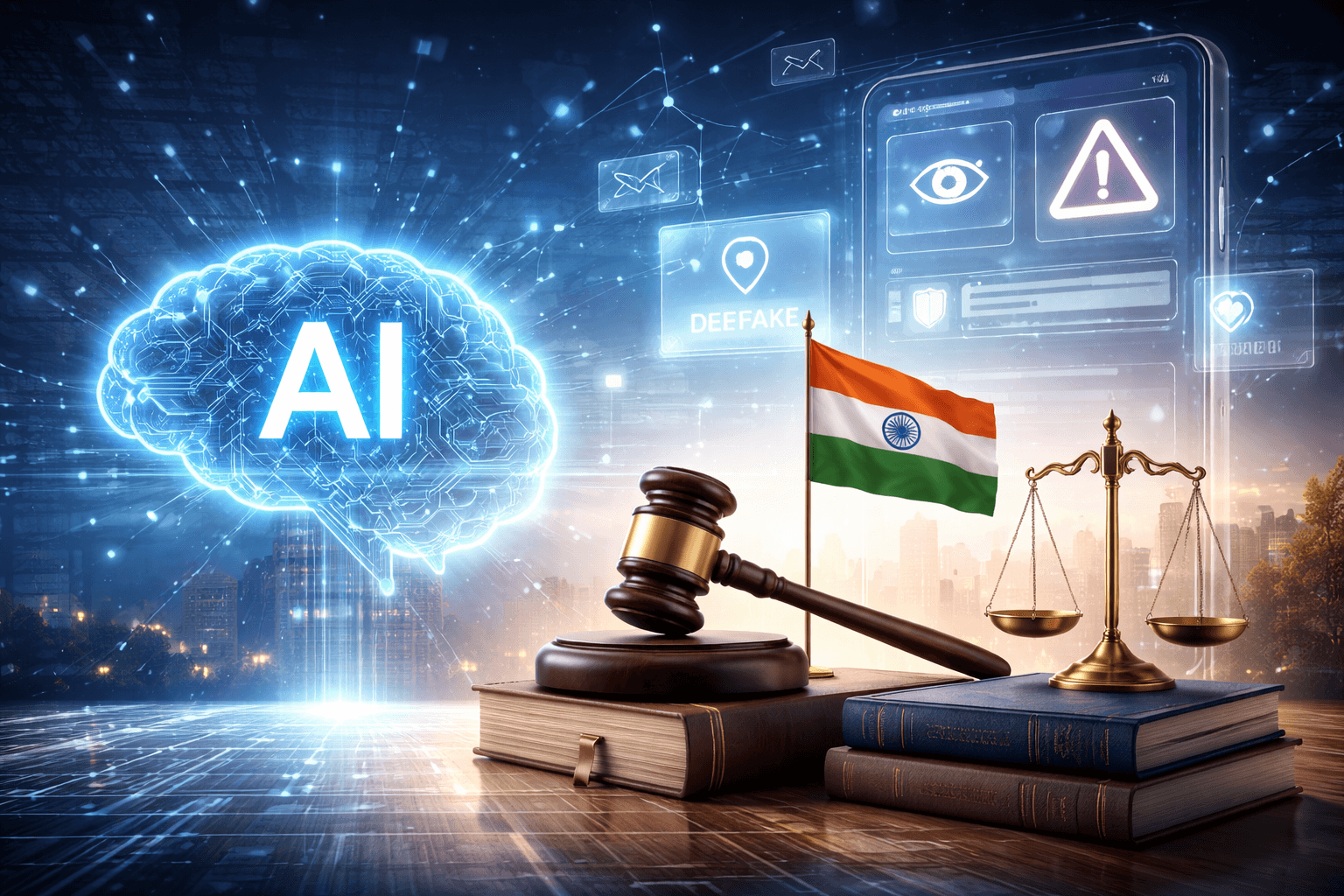 General
Google Blocks 8.3 Billion Ads Globally, 483M in India
Google's AI-powered Gemini blocked over 8.3 billion ads worldwide and 483.7 million in India last year, maintaining d...
Read Article arrow_forward