

Artificial Intelligence in Courts: A New Era of Justice?
The legal landscape, traditionally rooted in precedent and human interpretation, is on the cusp of a profound transformation driven by Artificial Intelligence (AI). From predicting case outcomes to streamlining administrative tasks, AI's integration into judicial systems promises a revolution in how justice is administered. However, this promising future is not without its intricate challenges. As we stand at this technological crossroads, it's crucial to examine the multifaceted role AI can play in courts, balancing its vast potential with the inherent risks and charting a responsible course forward.
The Promise of AI in Judicial Systems
Artificial Intelligence holds the potential to significantly enhance efficiency, accessibility, and fairness within the judicial system. Its capabilities can address long-standing issues such as case backlogs, resource constraints, and inequalities in access to legal services.
Enhancing Efficiency and Speed
- Case Management and Administration: AI tools can automate routine administrative tasks like scheduling, document filing, and record keeping. This reduces the burden on human staff, allowing them to focus on more complex, substantive legal work. This automation can dramatically cut down processing times, making the judicial system more responsive.
- Legal Research: Advanced AI algorithms can process vast amounts of legal data, including statutes, case law, and scholarly articles, in mere seconds. Lawyers and judges can leverage AI to quickly identify relevant precedents, analyze legal arguments, and synthesize complex information, significantly speeding up the research phase of any legal proceeding.
- Document Review: In discovery processes, AI can analyze millions of documents to identify relevant information, classify documents, and even detect anomalies or patterns that human reviewers might miss. This not only saves immense time but also reduces the high costs associated with extensive human review, often measured in thousands of USD per case.
Improving Access to Justice
- Predictive Analytics: AI can analyze historical data to predict potential case outcomes, sentence lengths, or flight risks. While controversial, when used responsibly, this could help courts prioritize cases, allocate resources more effectively, and inform plea bargain negotiations, potentially guiding litigants towards more efficient resolutions.
- Virtual Assistants and Chatbots: AI-powered virtual assistants can provide preliminary legal information, answer common procedural questions, and guide individuals through court processes. This can be particularly beneficial for self-represented litigants or those in remote areas, democratizing access to basic legal guidance without the need for expensive legal counsel.
- Language Translation: For diverse populations, AI-driven translation services can break down language barriers in court proceedings, ensuring that all parties fully understand the legal process and their rights, thus promoting a more equitable justice system.
The Perils and Ethical Quandaries of AI in Courts
Despite its promise, the deployment of AI in judicial settings introduces a complex array of ethical, practical, and societal challenges that demand careful consideration and robust safeguards.
Bias and Fairness
- Algorithmic Bias: AI systems learn from historical data. If this data reflects societal biases (e.g., racial, socioeconomic, or gender biases in arrest rates or sentencing), the AI will perpetuate and even amplify these biases. This could lead to discriminatory outcomes in areas like bail decisions, parole recommendations, or even the identification of criminal suspects, undermining the fundamental principle of equal justice under the law.
- Lack of Transparency (Black Box Problem): Many sophisticated AI models, particularly deep learning networks, operate as "black boxes." It can be difficult, if not impossible, to fully understand how they arrive at their conclusions. This lack of transparency is deeply problematic in a legal context where due process demands that decisions are explainable and challengeable. How can a defendant challenge a recommendation if the reasoning behind it is inscrutable?
Accountability and Human Oversight
- Who is Accountable? If an AI system makes an error that leads to an unjust outcome, who is held responsible? Is it the developer, the data scientist, the judge who relied on the recommendation, or the system itself? Establishing clear lines of accountability is essential.
- Erosion of Human Judgment: Over-reliance on AI could diminish the critical role of human judgment, empathy, and contextual understanding—qualities indispensable for administering justice. Judges and legal professionals must remain the ultimate decision-makers, with AI serving as a tool, not a replacement.
Data Privacy and Security
- Sensitive Data: Judicial systems handle highly sensitive personal information. AI systems require vast amounts of data to train and operate effectively. Ensuring the privacy and security of this data from breaches, misuse, or unauthorized access is paramount. The potential for mass data theft by rivals or malicious actors poses a significant threat that could compromise the integrity of the justice system.
- Cybersecurity Risks: AI systems, like any complex software, are vulnerable to cyberattacks. A compromised AI system in a court could lead to manipulated data, altered decisions, or a complete breakdown of legal processes. The ability of advanced tools like AI back-door sleeper agents in large language models further highlights the sophistication of potential threats to these systems.
Job Displacement and the Digital Divide
- Impact on Legal Professionals: While AI can augment human capabilities, it also poses a threat of job displacement for certain routine legal tasks. Paralegals, legal researchers, and administrative staff might find their roles significantly altered or reduced. This concern is not unique to the legal sector; globally, countries like India are at risk of AI-driven job shock across various industries.
- Exacerbating Inequality: The benefits of AI in courts might disproportionately favor well-resourced legal entities that can afford to implement and maintain sophisticated AI tools, potentially widening the gap between those who can access advanced legal tech and those who cannot.
The Path Ahead: Navigating AI Responsibly
To harness the benefits of AI while mitigating its risks, a cautious, ethical, and collaborative approach is essential. This path requires a multi-pronged strategy involving regulatory frameworks, ethical guidelines, technological development, and continuous human engagement.
Robust Regulation and Ethical Frameworks
- Developing AI-Specific Legislation: Governments must enact clear laws governing the use of AI in judicial settings, addressing issues of data privacy, algorithmic transparency, accountability, and redress mechanisms for AI-induced errors. Countries are already taking steps; for instance, India's new AI law could reshape deepfake moderation and social media, indicating a global trend towards AI governance. Such laws must ensure that AI systems are fair, non-discriminatory, and uphold fundamental human rights.
- Establishing Ethical Guidelines: Beyond legislation, ethical guidelines are crucial. These should emphasize human oversight, accountability, explainability, and the continuous auditing of AI systems for bias and accuracy. Professional legal bodies should play a leading role in developing these standards.
Transparency and Explainability
- "Glass Box" AI: Where possible, preference should be given to AI models that offer a degree of explainability, allowing humans to understand the logic behind their recommendations. If black-box models are used, their outputs must be accompanied by detailed justifications or confidence scores.
- Regular Audits: Independent third-party audits of AI systems used in courts are essential to verify their fairness, accuracy, and adherence to ethical guidelines. These audits should cover the data used for training, the algorithms themselves, and their real-world impact.
Human-Centric Design and Training
- AI as an Assistant: AI should always function as an assistive tool for legal professionals, not a replacement. Human judges and lawyers must retain ultimate decision-making authority, with AI providing insights and efficiencies to inform, not dictate, their judgments.
- Training and Education: Legal professionals—judges, lawyers, and court staff—need comprehensive training on how AI systems work, their limitations, and their ethical implications. This ensures they can use AI tools effectively, critically assess their outputs, and recognize potential biases.
International Collaboration
Given the global nature of technological development, international cooperation is vital in developing best practices and harmonizing regulatory approaches for AI in legal systems. Sharing knowledge and experiences can prevent disparate standards and foster a more globally consistent approach to justice in the age of AI.
Conclusion
The integration of Artificial Intelligence into courts represents a monumental shift with the potential to fundamentally redefine justice delivery. It offers unprecedented opportunities for efficiency, access, and informed decision-making. However, these opportunities are inextricably linked to significant perils, particularly concerning bias, transparency, accountability, and privacy. The journey ahead demands a careful, deliberate, and ethical approach. By prioritizing robust regulation, fostering transparency, ensuring human oversight, and investing in education, societies can navigate the complexities of AI in the legal sphere. The goal is not simply to adopt new technology, but to leverage AI in a manner that strengthens the rule of law, upholds fundamental rights, and ultimately serves the pursuit of a more equitable and efficient justice system for all.
Suggested Articles
 General
Banks Urged to Fuel Entrepreneurship, MSMEs & Startups in Dakshina Kannada
Dakshina Kannada banks are called upon to boost support for local entrepreneurs, MSMEs, and startups, driving economi...
Read Article arrow_forward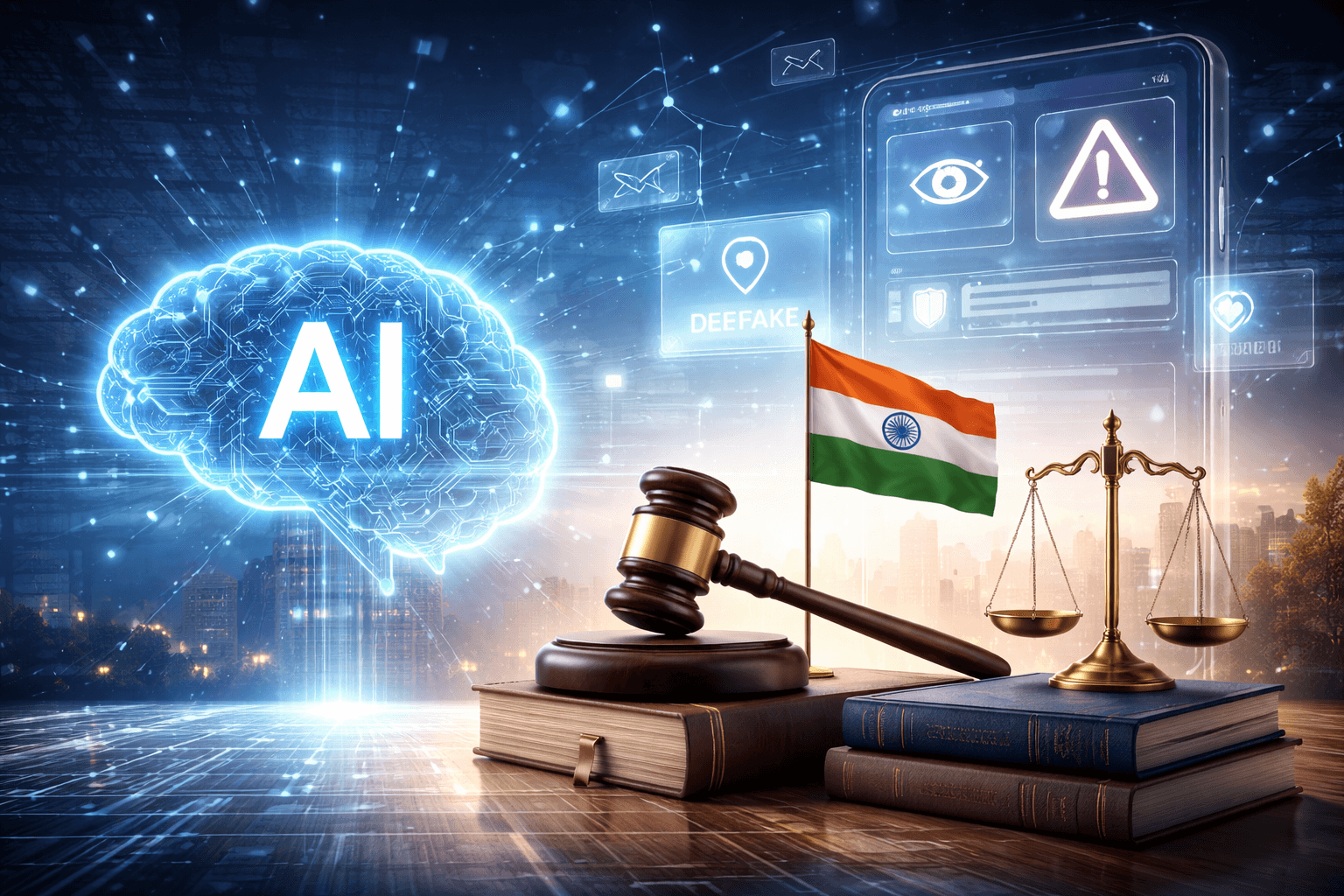 General
Oscars Set New AI Rules: Safeguarding Creativity in Film
The Academy of Motion Picture Arts and Sciences has unveiled new guidelines for AI-generated actors and scripts, aimi...
Read Article arrow_forward
General
Healthcare: AI's Toughest Challenge & Greatest Promise
Explore how Artificial Intelligence is transforming healthcare, from diagnostics to drug discovery, while navigating ...
Read Article arrow_forward
General
100x Less Power: Solving AI's Massive Energy Crisis
A groundbreaking innovation promises to slash AI's energy consumption by 100 times, offering a sustainable path for a...
Read Article arrow_forward