

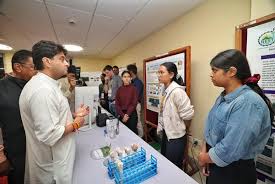
Catalyzing Growth: Understanding the North Eastern Science & Technology Cluster (NEST)
The North Eastern Region (NER) of India, renowned for its rich biodiversity, diverse cultures, and strategic geographical location, has long held immense untapped potential. To harness this potential and integrate the region more firmly into India's rapidly advancing technological landscape, the concept of the North Eastern Science & Technology Cluster (NEST) was conceived. This ambitious initiative aims to transform the NER into a hub of innovation, research, and entrepreneurship, driving socio-economic development and creating new opportunities for its vibrant population.
NEST is more than just a collection of institutions; it's a strategic framework designed to foster a robust ecosystem where scientific inquiry, technological innovation, and industrial application can thrive. By focusing on critical areas such as biotechnology, renewable energy, digital technologies, and traditional knowledge systems, NEST seeks to leverage the region's unique strengths while addressing its specific developmental challenges. This comprehensive approach is expected to not only boost local economies but also contribute significantly to India's overall scientific and technological prowess.
What is the North Eastern Science & Technology Cluster (NEST)?
The North Eastern Science & Technology Cluster (NEST) is a multi-faceted initiative conceptualized to establish a dynamic ecosystem of science, technology, and innovation across the eight states of India's North Eastern Region. Its primary goal is to bring together academic institutions, research organizations, industries, and governmental bodies to collaborate on projects that drive scientific discovery, technological development, and economic growth specific to the NER's context. The cluster aims to create a self-sustaining innovation cycle that fosters local talent, attracts investment, and solves regional challenges through scientific and technological interventions.
The vision behind NEST is to move beyond conventional development models by focusing on knowledge-driven growth. It seeks to convert the region's natural resources and human capital into economic assets through advanced research and application. This involves setting up state-of-the-art facilities, promoting interdisciplinary research, encouraging startup culture, and providing the necessary infrastructure for technological advancement. Essentially, NEST is designed to be a catalyst, accelerating the region's journey towards becoming a significant contributor to India's innovation economy.
Key Components of NEST: Pillars of Innovation
The success of NEST hinges on the seamless integration and effective functioning of its various components, each playing a crucial role in building a holistic innovation ecosystem.
1. Advanced Research & Development Hubs
At the core of NEST are dedicated Research & Development (R&D) hubs focused on areas of strategic importance to the NER. These include:
- Biotechnology and Biodiversity Research: Leveraging the region's rich biodiversity for pharmaceutical, agricultural, and industrial applications. This includes genomics, bioinformatics, and sustainable bio-resource management.
- Renewable Energy Technologies: Developing solutions for hydropower, solar, wind, and biomass energy, crucial for energy security and sustainability in the region.
- Digital and AI Technologies: Promoting research in artificial intelligence, machine learning, data analytics, and cybersecurity, tailored for regional needs such as precision agriculture, disaster management, and e-governance. Initiatives like these will allow the North East to participate fully in the ongoing AI-led growth seen across India.
- Materials Science: Exploring local resources for novel material development applicable in construction, textiles, and other industries.
These hubs are envisioned to attract top scientific talent and foster collaboration with national and international research organizations, ensuring that the NER remains at the forefront of scientific discovery.
2. Innovation & Incubation Centers
To translate research into viable products and services, NEST emphasizes the creation of robust innovation and incubation centers. These centers provide a nurturing environment for startups and entrepreneurs, offering:
- Seed Funding and Mentorship: Access to initial capital and guidance from experienced business leaders and scientists.
- Infrastructure Support: Providing co-working spaces, laboratories, and specialized equipment.
- Business Development Assistance: Helping innovators with market analysis, intellectual property protection, and scaling strategies.
- Networking Opportunities: Connecting startups with investors, industry partners, and potential customers.
The aim is to cultivate a vibrant startup culture that generates employment and brings innovative solutions to market, particularly those addressing local challenges.
3. Skill Development & Training Facilities
A skilled workforce is fundamental to any technological cluster. NEST integrates comprehensive skill development and training programs, focusing on:
- Technical Vocational Training (TVET): Programs aligned with industry demands in areas such as IT, electronics, advanced manufacturing, and renewable energy.
- Digital Literacy Initiatives: Bridging the digital divide by equipping the local population with essential digital skills.
- Advanced Research Fellowships: Supporting post-graduate and doctoral research, ensuring a continuous supply of highly qualified professionals.
- Entrepreneurship Development Programs: Training individuals to identify opportunities, develop business plans, and manage ventures.
These initiatives are crucial for preparing the region's youth for future jobs and mitigating the potential impact of AI on employment by fostering new skill sets.
4. Robust Digital Infrastructure
Connectivity is the backbone of a modern science and technology cluster. NEST plans to ensure a robust digital infrastructure across the region, including:
- High-Speed Internet Access: Expanding broadband connectivity to even remote areas to facilitate research, education, and business operations.
- Data Centers: Establishing secure and efficient data storage and processing facilities to support AI, big data analytics, and cloud computing initiatives.
- Cybersecurity Frameworks: Implementing advanced cybersecurity measures to protect digital assets and foster trust in online transactions and data sharing.
This infrastructure is vital for enabling collaboration and ensuring that the North East is well-connected to national and global innovation networks.
5. Strong Industry-Academia-Government Partnerships
Collaboration is a cornerstone of NEST. The cluster fosters strong linkages between academia, industry, and government to:
- Align Research with Industry Needs: Ensuring that scientific research is relevant and applicable to the challenges and opportunities faced by local industries.
- Facilitate Technology Transfer: Streamlining the process of moving innovations from laboratories to commercial production.
- Policy Support and Funding: Governments play a critical role in providing policy frameworks, regulatory support, and funding mechanisms to sustain the cluster's growth.
- Public-Private Partnerships (PPPs): Encouraging joint ventures and collaborative projects that leverage the strengths of both sectors.
These partnerships ensure that NEST remains dynamic and responsive to evolving technological and economic landscapes.
Impact of NEST on the North Eastern Region
The successful implementation of NEST is projected to have a transformative impact across multiple dimensions in the North Eastern Region:
1. Economic Growth and Diversification
NEST is expected to significantly boost the region's economy by fostering new industries, attracting investments, and diversifying economic activities beyond traditional sectors. The development of high-tech industries, based on scientific research and innovation, will create new revenue streams and increase the region's GDP. This will contribute to the national 'Create in India' mission by stimulating local innovation and manufacturing, as highlighted in the government's focus on boosting jobs and industries.
2. Job Creation and Talent Retention
By establishing research hubs, incubation centers, and new industries, NEST will generate a wide array of high-skilled employment opportunities. This will help address the issue of unemployment and encourage local talent to remain in the region, reversing the trend of brain drain. The availability of advanced training and research facilities will also attract talent from other parts of India and abroad, creating a vibrant intellectual community.
3. Technological Advancement and Innovation
The cluster will position the NER as a frontrunner in specific technological domains, fostering a culture of innovation. Breakthroughs in biotechnology, renewable energy, and digital technologies tailored to the region's unique environmental and social context will have far-reaching benefits. This will enable the region to adopt cutting-edge solutions, from smart agriculture to disaster warning systems, leveraging the full potential of scientific progress.
4. Enhanced Regional Connectivity and Integration
Improved digital infrastructure and the establishment of robust scientific networks will enhance connectivity within the NER and integrate it more closely with the rest of India and Southeast Asia. This improved connectivity will facilitate trade, knowledge exchange, and cultural integration, strengthening the region's strategic importance.
5. Sustainable Development and Environmental Protection
A significant focus of NEST is on sustainable development. Research into renewable energy, eco-friendly technologies, and biodiversity conservation will ensure that economic growth is balanced with environmental protection. This approach will safeguard the region's natural heritage while promoting sustainable livelihoods for its communities. The AI revolution, for instance, is already transforming rural India's future, and NEST can amplify this by adapting such technologies for the specific needs of the North East.
Challenges and Opportunities for NEST
While the vision for NEST is grand, its implementation comes with a unique set of challenges and opportunities.
Challenges:
- Geographical Isolation and Connectivity: Despite improvements, certain parts of the NER still face challenges in physical and digital connectivity, which can hinder the seamless flow of goods, services, and information.
- Funding and Investment: Securing consistent and substantial funding, both from government and private sectors, will be crucial for establishing and sustaining world-class infrastructure and research programs.
- Human Capital Development: While the region has a young population, upskilling them to meet the demands of advanced scientific and technological fields requires significant investment in education and training.
- Policy Implementation and Coordination: Effective coordination among various state governments, central agencies, and local bodies is essential for the unified development and implementation of NEST initiatives.
- Attracting and Retaining Talent: Creating an attractive environment that draws top researchers, entrepreneurs, and skilled workers to the region and persuades them to stay long-term.
Opportunities:
- Untapped Natural Resources: The NER is rich in biodiversity, water resources, and potential for renewable energy, offering unique research and development opportunities.
- Strategic Location: Its proximity to Southeast Asian countries opens avenues for international collaborations, trade, and acting as a gateway for India's Act East policy.
- Young and Eager Workforce: A large youth population eager for opportunities provides a significant demographic dividend if adequately skilled.
- Government Focus: Increased focus and investment by the central government on the development of the North East provide a strong supportive framework.
- Unique Cultural Heritage: Integration of traditional knowledge systems with modern science can lead to innovative solutions unique to the region.
The Future of Innovation in the North East
The North Eastern Science & Technology Cluster represents a beacon of hope and a strategic pathway for the holistic development of India's North East Region. By systematically building a robust ecosystem of research, innovation, skill development, and industry collaboration, NEST is poised to unlock the immense potential of the region.
As NEST evolves, it is expected to not only transform the economic landscape but also foster a sense of pride and ownership among the local populace, empowering them to drive their own developmental narrative. The success of this cluster will serve as a model for other regions, demonstrating how focused investment in science and technology can lead to inclusive and sustainable growth. The journey of NEST is a testament to India's commitment to leveraging innovation as a tool for national development, ensuring that no region is left behind in the pursuit of a technologically advanced and prosperous future.
Suggested Articles
 Tech
Tech
ChatGPT Now Boasts 100 Million Weekly Users From India
ChatGPT now has over 100 million weekly users from India, with young adults aged 18–24 responsible for nearly half of...
Read Article arrow_forward General
Musk vs. Altman: OpenAI Trial Begins, AI's Future at Stake
Elon Musk's lawsuit against Sam Altman and OpenAI kicks off, challenging the AI giant's shift from a non-profit, open...
Read Article arrow_forward General
Technology Convergence: The New Logic for Competitive Advantage
Discover how the merging of diverse technologies creates unprecedented opportunities, drives innovation, and reshapes...
Read Article arrow_forward General
White House to Agencies: Counter China's Tech Theft
The White House issues a memo to government agencies and tech giants, urging stronger measures to prevent China's int...
Read Article arrow_forward